
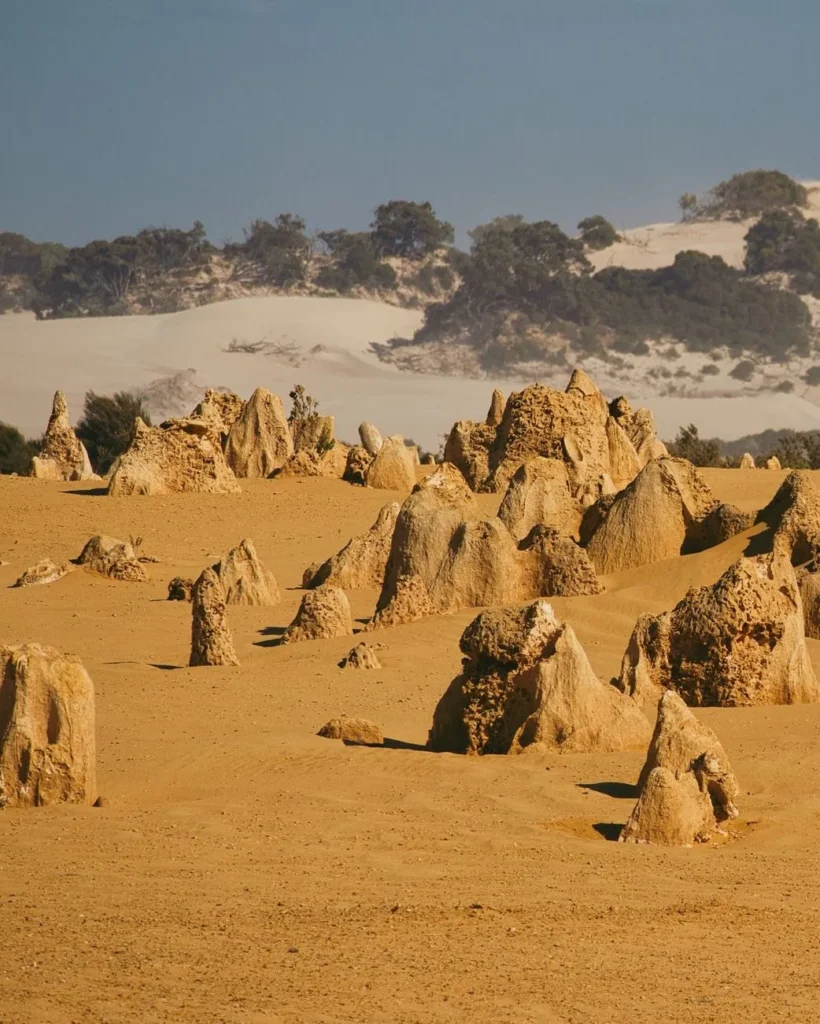
So, what should you wear to the Pinnacles Desert? I’ve spent more than a few long, sandy afternoons wandering around Nambung National Park in Western Australia and trust me — the wrong gear can make or break your day. This isn’t a place for fashion shoots. It’s about beating the sun, the flies and the sand that gets into everything. I’m Paul Beames, and I’ll walk you through the practical gear you’ll need so you can enjoy the weird beauty of the Pinnacles without suffering for it. Whether you join Pinnacles Tours or go it alone, getting your outfit right is half the battle.
Dress for Desert Heat and Glare
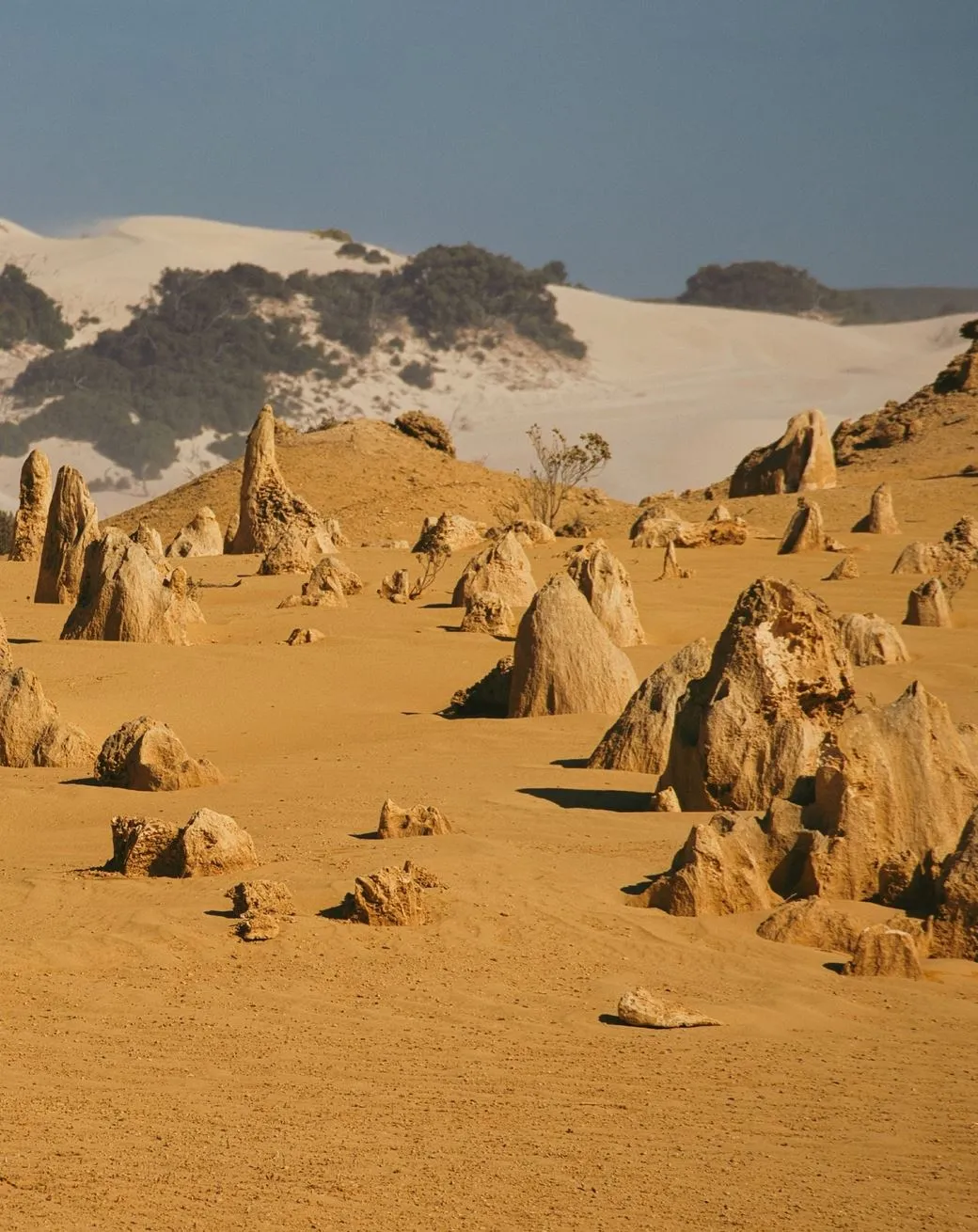
Step out into the Pinnacles Desert and you’ll soon realise how exposed it is — no shade, no water and nothing but limestone spires and sand as far as the eye can see. Your clothes need to protect you, not slow you down. A wide-brimmed hat is your best friend out here, along with lightweight, long-sleeved shirts that breathe but keep the sun off your skin. Shorts might sound tempting, but trousers will keep your legs from looking like a prawn that’s been cooked. Many travellers on Pinnacles tours quickly learn that covering up is far more comfortable than skimping on fabric.
- Wide-brimmed hat or fly net hat
- Long-sleeved cotton or linen shirt
- Light coloured trousers
- Sunglasses with UV protection
- Lightweight scarf or buff for dust and wind
Choose the Right Footwear
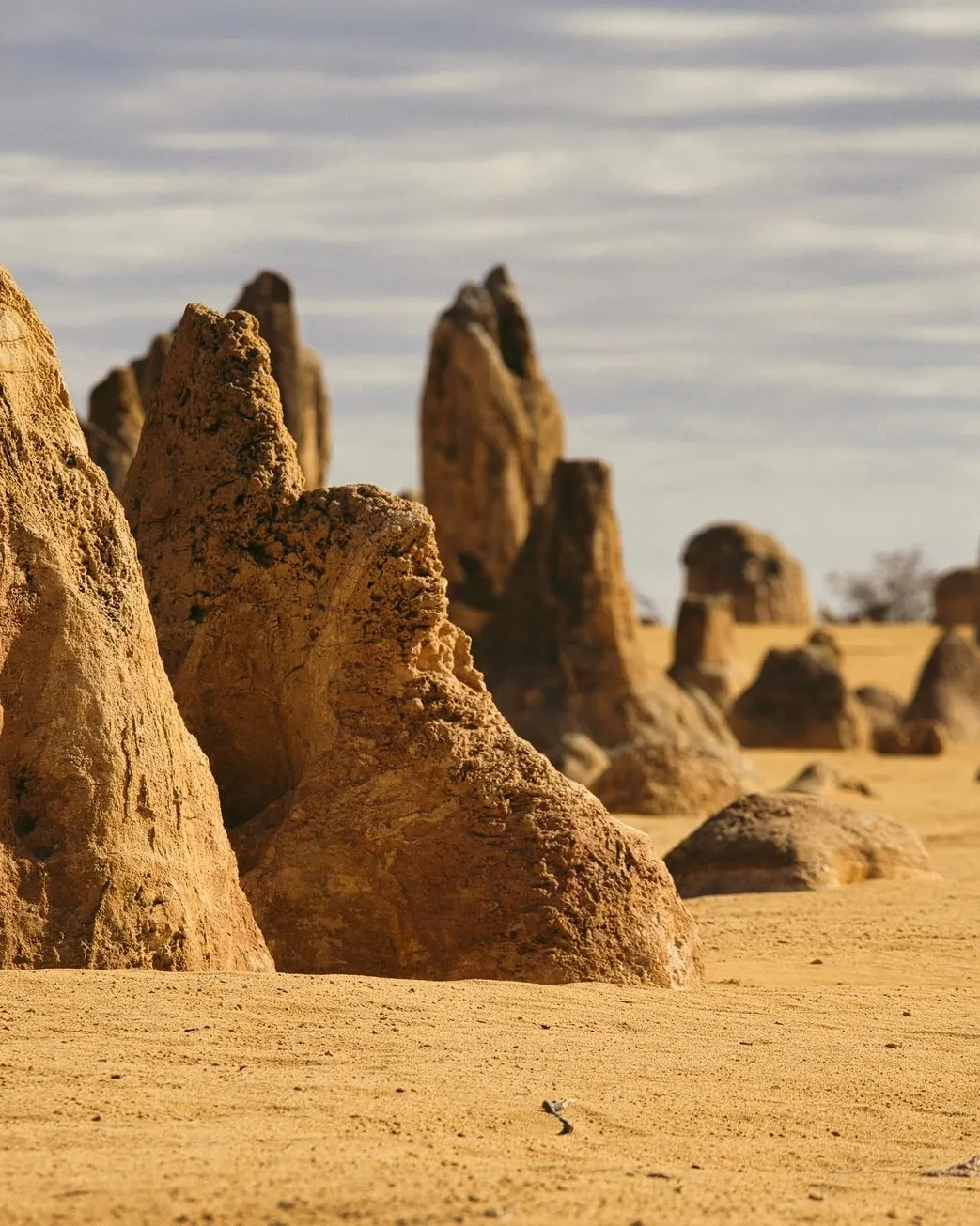
Sand, gravel and hard-packed trails all mix together in the Pinnacles Desert. Thongs won’t cut it — unless you enjoy blisters and hot feet. A pair of sturdy walking shoes or breathable hiking boots is the way to go. They’ll give you grip on loose sand and save your toes from cooking. Bring along socks that wick sweat — cotton ones will just leave you soggy. On many Pinnacles tours I’ve led, I’ve seen people regret turning up in sandals after the first 10 minutes.
Quick Footwear Checklist:
- Hiking boots or trail runners
- Lightweight, breathable socks (avoid cotton)
- Sand gaiters if you hate sand getting in
Here’s the thing most people forget: deserts swing between extremes. It can be 35°C in the midday sun and single digits at night. If you’re staying for stargazing or a night tour, pack a warm jumper or fleece. In summer (December to February), you’ll want lighter fabrics and more water breaks. In winter, mornings can be cold enough that you’ll wish you’d packed gloves. Pinnacles tours that run in the evening often remind guests to bring a warm layer, even if it feels hot during the day.
| Season | Daytime Temps | Night Temps | Recommended Clothing |
|---|---|---|---|
| Summer (Dec–Feb) | 30–40°C | 15–25°C | Light, breathable clothing, hat, sun sleeves |
| Autumn (Mar–May) | 25–30°C | 10–20°C | Layers, long sleeves, light jumper |
| Winter (Jun–Aug) | 18–25°C | 5–12°C | Warm layers, jacket, gloves, beanie |
| Spring (Sep–Nov) | 25–35°C | 10–20°C | Long sleeves, hat, light jumper for evenings |
Sun Protection That Actually Works
Don’t bother with a quick slap of sunscreen at the car park — you’ll need to reapply often, especially if you’re sweating. SPF 50+ is the standard in Australia, and a lip balm with sunblock will save you from chapped lips. I also carry a lightweight fly net; the Pinnacles can be full of bush flies in summer, and nothing ruins a sunset shot faster than waving your arms around. Pinnacles tours often provide fly nets for guests because it’s one of the most common complaints out here.
- SPF 50+ sunscreen (reapply every 2 hours)
- Lip balm with UV protection
- Fly net (fits over a hat)
- Sunglasses with polarised lenses
Extra Gear to Keep You Comfortable
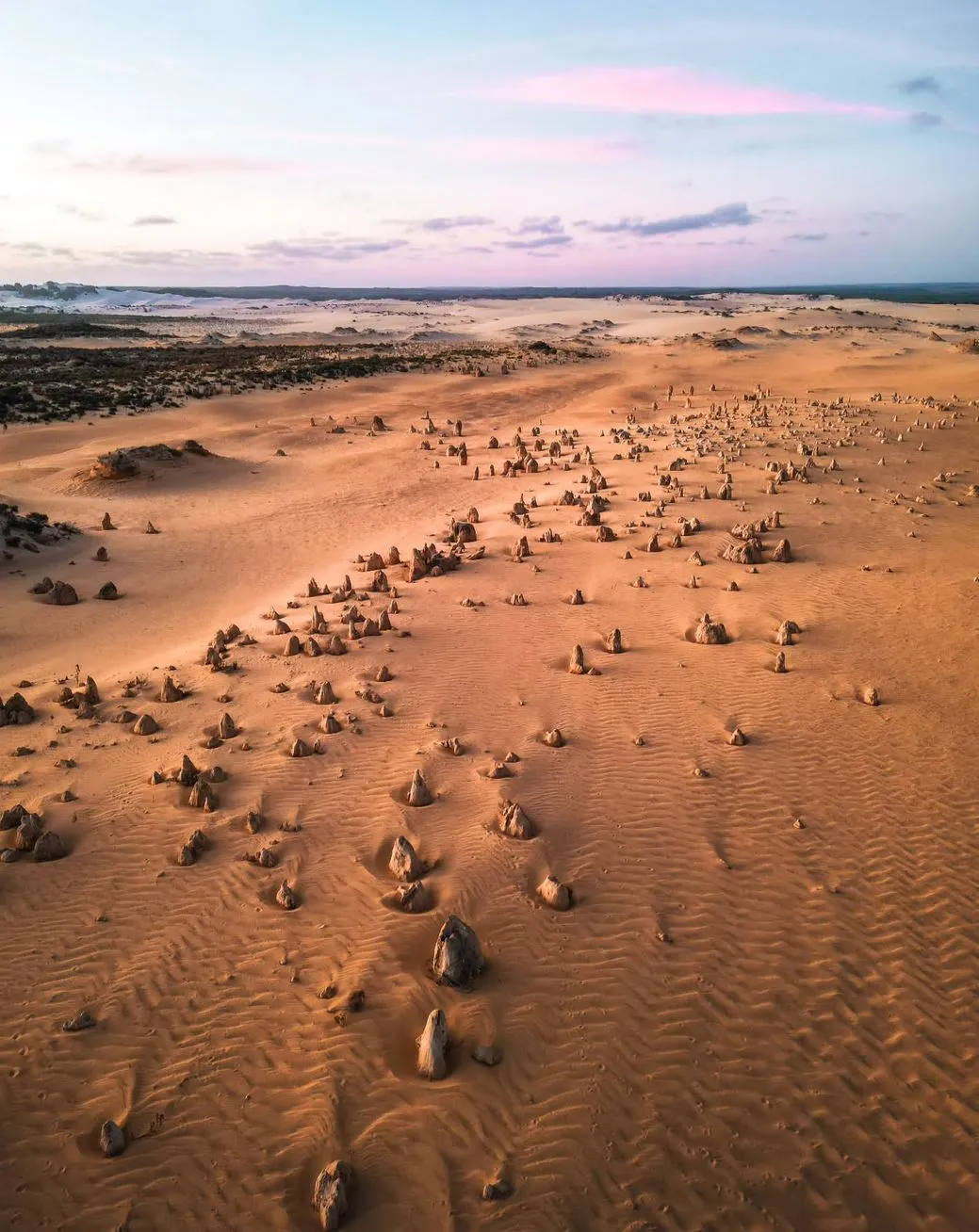
Clothing is just one piece of the puzzle. You’ll also want to bring gear that makes your visit easier. Carry at least 2–3 litres of water per person — there’s no tap once you’re inside Nambung National Park. A daypack will keep your hands free, and I always throw in a light rain jacket in case a coastal squall rolls through. Pinnacles tours usually include water and snacks, but if you’re going it alone, pack like you won’t find a shop for hours.
- Reusable water bottles or hydration pack
- Light rain jacket or windbreaker
- Daypack for snacks, water, sunscreen
- Camera with spare battery (no power outlets nearby)
Local Knowledge: Respecting the Land
The Pinnacles are part of Country cared for by the Yued people, and visiting respectfully means sticking to marked paths and not climbing on the limestone formations. Wear sturdy shoes so you can stay on track without cutting corners. And remember — take all your rubbish with you. There are bins at the Pinnacles hut near the visitor centre, not out in the desert. Tourism Western Australia strongly encourages visitors to follow cultural and environmental guidelines when visiting Pinnacles National Park. Pinnacles tours guides will remind you about these cultural practices so that everyone experiences the desert respectfully.
Stories from the Sand
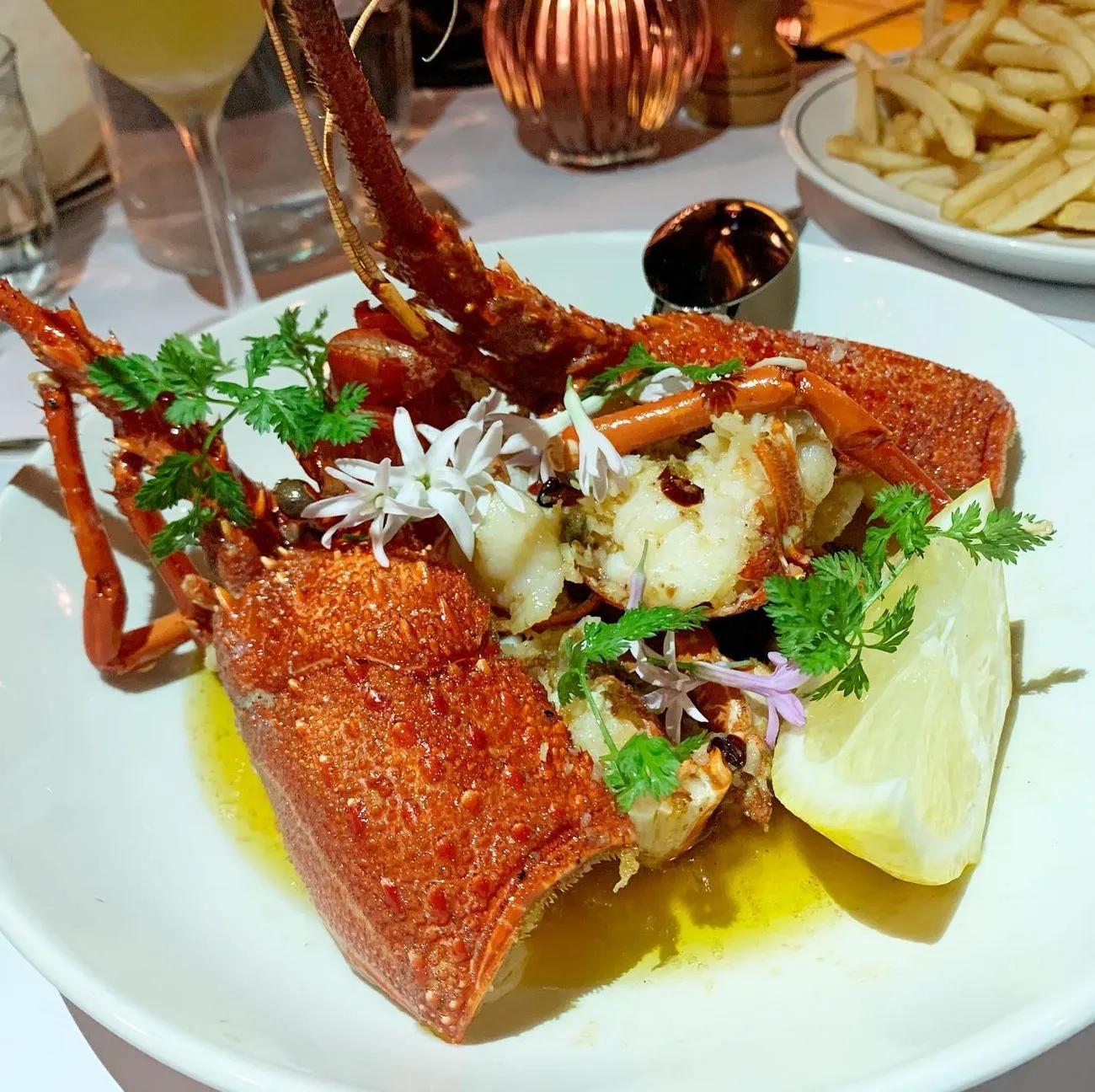
On my first guided walk here, I wore shorts and runners and thought I was fine. An hour later, my calves were sunburnt, my socks were full of sand, and the flies had driven me half mad. Since then, I’ve always worn long sleeves, gaiters and a fly net. It might not look glamorous, but it’s the difference between a miserable trudge and a cracking day out. We run Pinnacles Tours that include both day and night visits — and trust me, our guides always pack an extra jumper for the cool nights. Many people pair a day here with a stop for fish and chips or a taste of Western Rock Lobster in nearby coastal towns — a proper Aussie way to top off the day. I’ve seen Pinnacles tour guests rave about their seafood stop almost as much as the limestone spires.
Wrap Up
The Pinnacles Desert is amazing, but it’s brutal if you turn up unprepared. Dress smart – from hat to boots – and you’ll be gazing at ancient limestone spires, not swatting flies or nursing sunburn. Layer up for the season, stay sun smart and bring more water than you think you’ll need. Get Lost Travel Group, Pinnacles Tours and Australian Pinnacle Tours all take the guesswork out of visiting. Even if you’re going solo, pack like you mean it. That way, your memories of Nambung National Park in Western Australia will be of stars and spires, not blisters and burn.
FAQ
Can I wear sandals in the Pinnacles Desert?
No. The sand gets scorching hot, and there’s no support. Closed-toe shoes are the way to go.
Do I need to dress differently for a night tour?
Yes. Nights can be surprisingly cold even in summer. Bring a jumper, jacket or fleece so you’re comfortable while stargazing with Australian Pinnacle Tours or other operators.
What colours should I wear in the desert?
Light colours reflect heat better. Avoid black or dark colours as they’ll absorb the sun and leave you roasting.
Is there somewhere to buy clothes at the Pinnacles?
The visitor centre sells hats and fly nets, but you’ll want to sort your main gear before you get there.
How much water should I bring?
2-3 litres per person. There’s no water out in the Pinnacles Desert.