Fine Line Tattoos vs. Traditional Tattoos: What’s the Difference?
When it comes to getting a tattoo, the options can be endless. Two styles that get mentioned a lot are fine line tattoo and traditional tattoos. These styles are different not only in appearance but also in technique, meaning and overall vibe. Knowing the differences will help you choose the style that fits your vision and personal taste.
What are Fine Line Tattoos?
Fine-line tattoos are thin lines and minimal design. These tattoos focus on subtle details and linework, looking more refined and elegant. For those who want something subtle and personal without bold or dramatic imagery.
Key Features:
- Subtle and detailed: Fine line tattoos are all about precise lines.
- Minimal shading: No heavy shading, just thin clean lines.
- Smaller designs: Because of the thin lines, fine-line tattoos are often smaller and simpler.
- Popular subjects: Floral patterns, geometric shapes and delicate animals.
Pros:
- Good for first-timers because of the smaller and less intimidating size.
- Suitable for areas where the skin is thin, like wrists, ankles and collarbones.
- Less painful than traditional tattoos because of the finer needles.
Cons:
- It may fade faster over time because of the lighter ink application.
- Needs more touch-ups to keep it looking crisp.
What are Traditional Tattoos?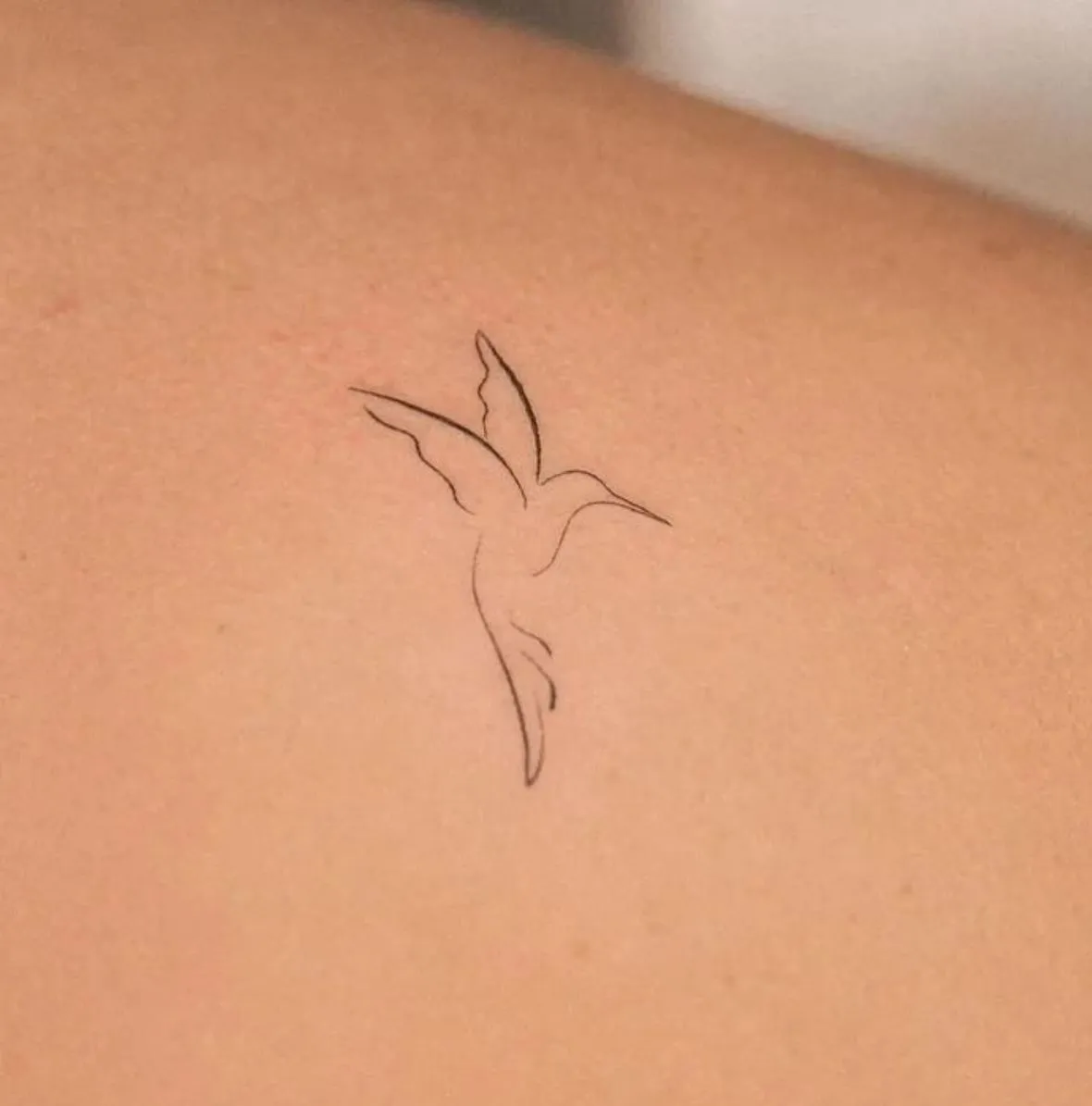
Traditional tattoos are also known as “old-school” or “American traditional”. They are easy to recognize by their bold lines, bright colours and iconic designs. Rooted in tattoo culture and history traditional tattoos often feature timeless subjects like eagles, anchors, skulls and roses.
Key Features:
- Bold outlines: Traditional tattoos are all about thick, bold lines.
- Vibrant colours: Heavy black ink and bright reds, yellows, and greens are the hallmarks of traditional tattoos.
- Iconic imagery: Ships, daggers, and pin-up girls are staples in traditional tattoo art.
- Heavy shading: Traditional tattoos use solid blocks of colour and shading to create depth and contrast.
Pros:
- Classic and timeless for those who want a tattoo with heritage.
- More durable over time, bold lines and bright colours will stay as they age.
- Suitable for bigger areas of the body, like back, arms and thighs.
Cons:
- It can be more painful because of the design and amount of ink.
- The bold style may not be for those who want something subtle.
Fine Line vs Traditional: Which one is for you?
It all comes down to your style, your tattoo vision and what you want to say through body art. Both styles have something to offer, and knowing the differences will help you decide. If you like delicate, minimal designs, then a fine-line tattoo is for you. Fine-line tattoos are elegant and subtle so perfect for those who like understated yet meaningful body art. The intricate details and minimal shading gives your tattoo a refined look that stands out because of its simplicity not its boldness. This style is for people who see tattooing as a form of quiet expression where the beauty is in the craftsmanship and subtlety.
On the other hand, traditional tattoos are for those who like bold, iconic designs. Rooted in history, traditional tattoos have a timeless look that is often associated with symbolism and cultural significance. The bold lines, bright colours, and heavy shading make a big impact, so the tattoo will be noticeable from a distance. If you want a design that will stand out and grab attention, a traditional tattoo is a classic, durable option that has been popular for decades. The bold and bright nature of these tattoos is for those who want their body art to make a statement.
Consider: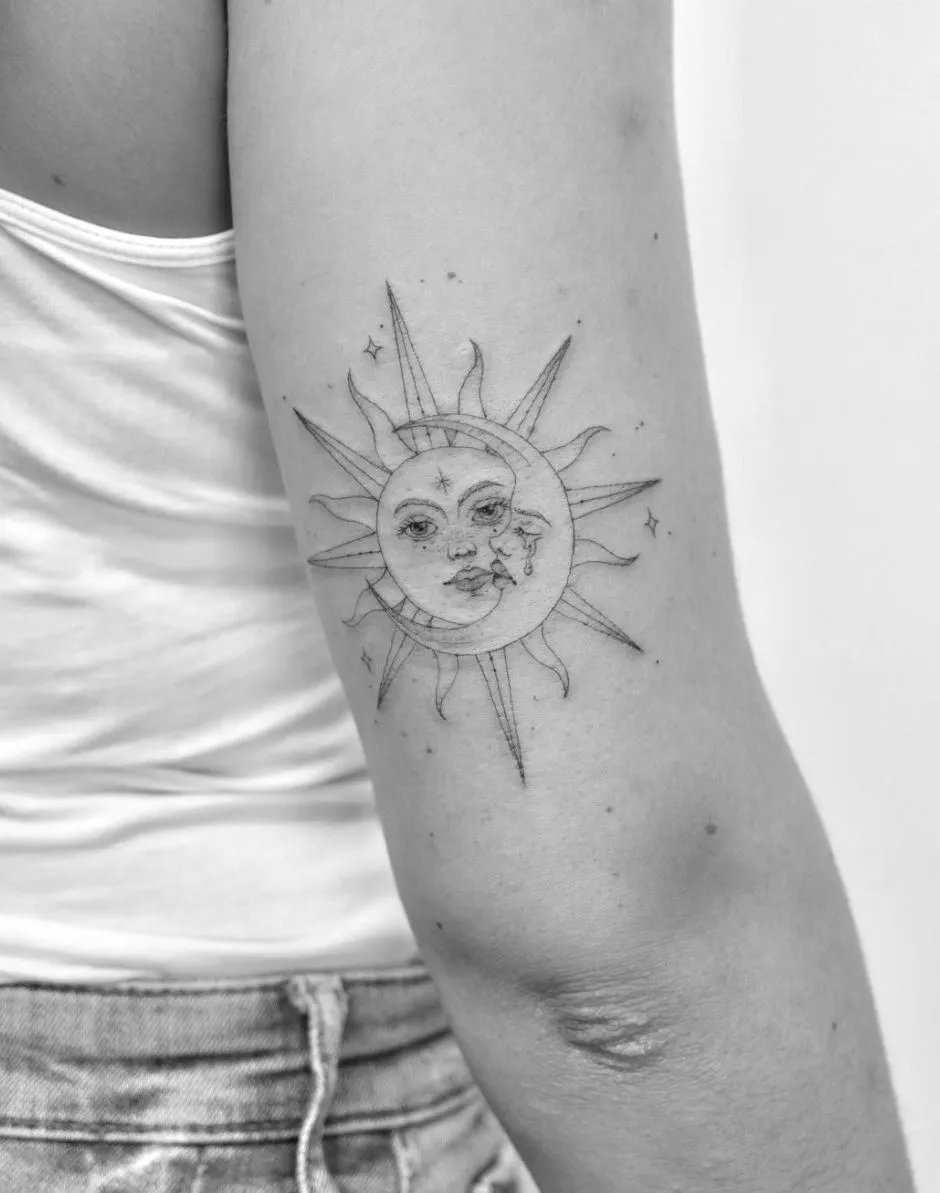
- Longevity:
One of the main things to consider is how your tattoo will look over time. Traditional tattoos are known for their longevity. The thick bold lines and heavy saturation of ink will keep their vibrancy and structure even with sun exposure and natural skin aging. The bold black lines and rich colours will hold up well so traditional tattoos are low maintenance in the long run.
Fine line tattoos with their delicate lines and minimal shading will fade quicker especially in areas that are exposed to sun or friction. The lighter ink application and minimal shading will lose its crispness over time. Still beautiful but will require more touch ups to keep the original design intact. If longevity and low maintenance is important to you then traditional tattoo style might be more suitable. - Pain Tolerance:
The tattooing process itself is another big consideration, especially in terms of pain tolerance. Fine-line tattoos are generally less painful because they use smaller needles and lighter shading. This is why they are popular for those who are new to tattooing or those who want a less painful experience. The lighter touch of the tattoo artist and the focus on details reduces the discomfort compared to traditional tattoos. On the other hand, traditional tattoos have more ink and bold shading, which can be a more intense experience. Thicker lines and more coverage mean more time under the needle, which can be more painful, especially in sensitive areas of the body. If you’re getting a tattoo in a sensitive area (like the ribs or spine), the pain level might be a factor in choosing a style.
- Placement:
Where you want to get your tattoo can also influence which style is right for you. Fine-line tattoos are perfect for smaller, more delicate areas of the body. Areas like the wrists, ankles, collarbones and behind the ears are popular spots for fine-line tattoos. These tattoos are great for people who want a subtle piece that can be hidden or shown depending on the occasion. The lightweight design makes it look elegant even in small spaces. Traditional tattoos are for larger areas of the body like the back, chest, arms or thighs. The bold designs can cover more surface area and make a statement. If you want a bigger piece or one that has multiple elements, traditional tattoos provide the structure and boldness to make the design pop even on a larger scale.
Additional Considerations:
- Personal Expression:
Your tattoo is a form of personal expression, and the style you choose reflects your personality, values, and life experiences. Fine-line tattoos are delicate and subtle, and they are perfect for those who want to keep their ink as a personal piece of art. Whether it’s a small symbol, a minimalist floral tattoo or a simple geometric shape, these designs have a quiet confidence that speaks volumes in their restraint. Traditional tattoos are rooted in tattoo culture and are often tied to heritage and history. For those who want a tattoo that represents something iconic and enduring, the traditional style is a great choice. Bold designs like anchors, eagles and skulls are full of symbolism and often reflect the wearer’s connection to tattoo traditions or personal beliefs. - Artistic Preference:
Some people may prefer the aesthetic of one style over the other. Fine-line tattoos, with their delicate details, are perfect for those who like minimalistic tattoos and a softer visual impact. Traditional tattoos are for those who like bold colours and classic tattoo styles. What do you like artistically and which style will suit your long term vision for your body art. In short, it’s about longevity, pain, placement and personal expression. Whether you like the clean look of fine lines or the classic look of traditional tattoos, knowing the difference will help you make the right decision for your next tattoo.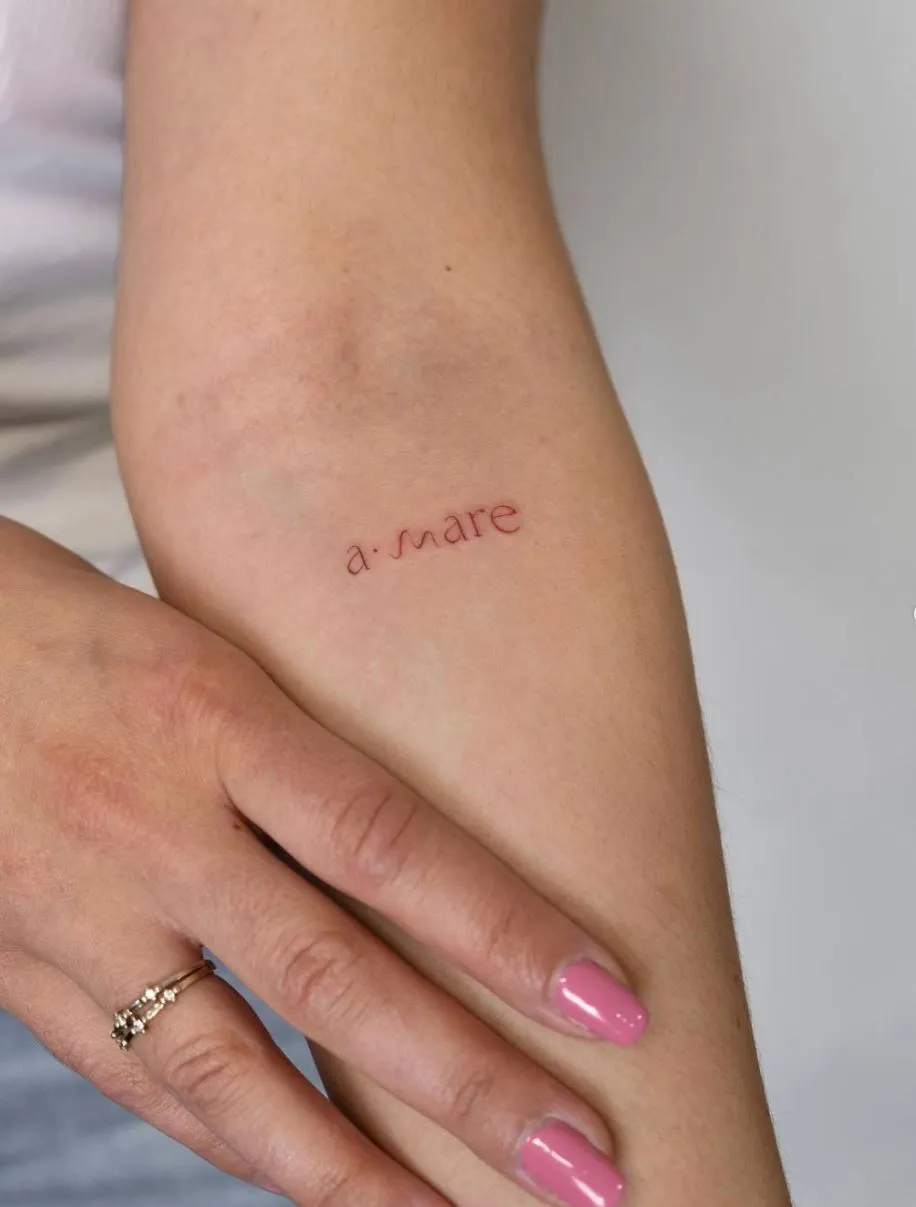
Summary
Whether you’re into fine-line or traditional tattoos, work with a good tattoo artist. Consider longevity, pain, and placement before you decide. Now that you know the difference, you can decide which one suits you and your style.
Where can I get fine line tattoo in Melbourne?
Olha Po is renowned for her expertise in fine line tattoos, which are distinguished by their elegance and subtle sophistication in Cosmetic Tattoo Melbourne Studio Face Figurati. Her artwork typically features faint, intricate details that come together to form elaborate designs. The use of thin needles in her tattoos not only minimizes pain but also speeds up the healing process compared to tattoos with thicker lines, making them less intrusive.
When opting for a fine line tattoo akin to those created by Olha Po, you can anticipate the following:
Delicate and Precise: Whether it’s floral motifs, geometric patterns, or minimalist lines, Olha’s tattoos are crafted with a meticulous attention to detail, resulting in elegant, complex, and delicate designs.
Subtle Elegance: These tattoos are understated, ideal for individuals who prefer tattoos that are noticeable yet not overtly conspicuous.
Customization: A key aspect of Olha Po’s approach is her collaboration with clients to design bespoke tattoos that reflect their personal style and narrative, ensuring each piece is unique.
Versatility: Fine line tattoos cater to a broad range of preferences, from small, simple designs to larger, more intricate artworks.
Post-Procedure and Recovery: The finer and less invasive technique used in these tattoos generally allows for a quicker healing process. However, proper aftercare is essential to maintain the integrity of the fine details.
Choosing a fine line tattoo requires selecting an artist like Olha Po who possesses the requisite skill and patience for this precise art form, ensuring the distinctiveness and quality of the tattoo.
Additionally, Olha Po offers a comprehensive fine line tattoo course for those interested in learning this art form. The course covers techniques, safety, design customization, aftercare, and professional business practices, providing aspiring artists with the skills needed to excel in fine line tattooing.
FAQs
What’s the difference between fine lines and traditional tattoos?
Fine line tattoos are delicate, minimalistic with thin, precise lines and no shading. Traditional tattoos are bold, colourful and have thick lines and heavy shading.
Do fine-line tattoos hurt less than traditional tattoos?
Yes, fine line tattoos hurt less as they use smaller needles and less shading. Traditional tattoos with bold outlines and shading can be more painful.
Which one lasts longer: fine line or traditional?
Traditional tattoos last longer as the lines are bold and the ink is deeper. Fine line tattoos fade faster and need more touch ups.
Can I mix fine lines with traditional tattoos?
Yes, many tattoo artists can combine both fine line and traditional tattoo styles. You can have a bold traditional design with fine line details for a custom tattoo.
How long does it take to heal: fine line or traditional?
Fine-line tattoos heal faster as the ink is lighter and no shading. Traditional tattoos with bold lines and shading take a bit longer to fully heal.