Adventurous Things to Do Along the Great Ocean Road isn’t just a list of ideas – it’s a challenge that throws new things at you with every bend in the road. From the rugged limestone stacks that just seem to pop up out of the surf to the lush rainforest canopies dripping with water after a good downpour, to a surf break that’ll have even the most confident bloke feeling humbled. The first time I rambled along the Great Ocean Road, I had one hand firmly gripping the steering wheel and the other white-knuckling a map that was flapping around like a bloody galah in the wind.
I’m Paul Beames, the founder of Get Lost Travel Group – and I’ve lost count of how many times I’ve driven this road. Whether you’re chasing waves, wildlife, or just that unbeatable combination of salt air and eucalyptus, this route always delivers. So let’s leave the speed limit in our dust and dive into the stuff that makes this corner of Australia the country’s best-looking adventure drive.
Surfing Bells Beach – Where Aussie Legends Get Made
There’s no better way to test your balance and bravery than at Bells Beach near Torquay. It’s the birthplace of Aussie surf culture, and the Rip Curl Pro – the world’s longest running surf comp – is held on its shores. The swell here can get pretty rough, so it’s not really the spot for newbies, but just standing on the cliffs watching the pros rip apart four metre waves will get your heart racing.
Pro tip – try and get down to Bells early in the morning or late in the arvo to avoid the crowds and catch the offshore winds which turn the waves into a smooth sheet of glass. If you’re a total beginner, then nearby beaches like Jan Juc or Torquay Front Beach will give you a more gentle ride, and there are heaps of local surf schools ready to get you up and riding a wave. Great Ocean Road Tours often include surf lessons, so even complete beginners can experience the thrill of Bells.
Hiking the Twelve Apostles Coast and Hinterland Trails
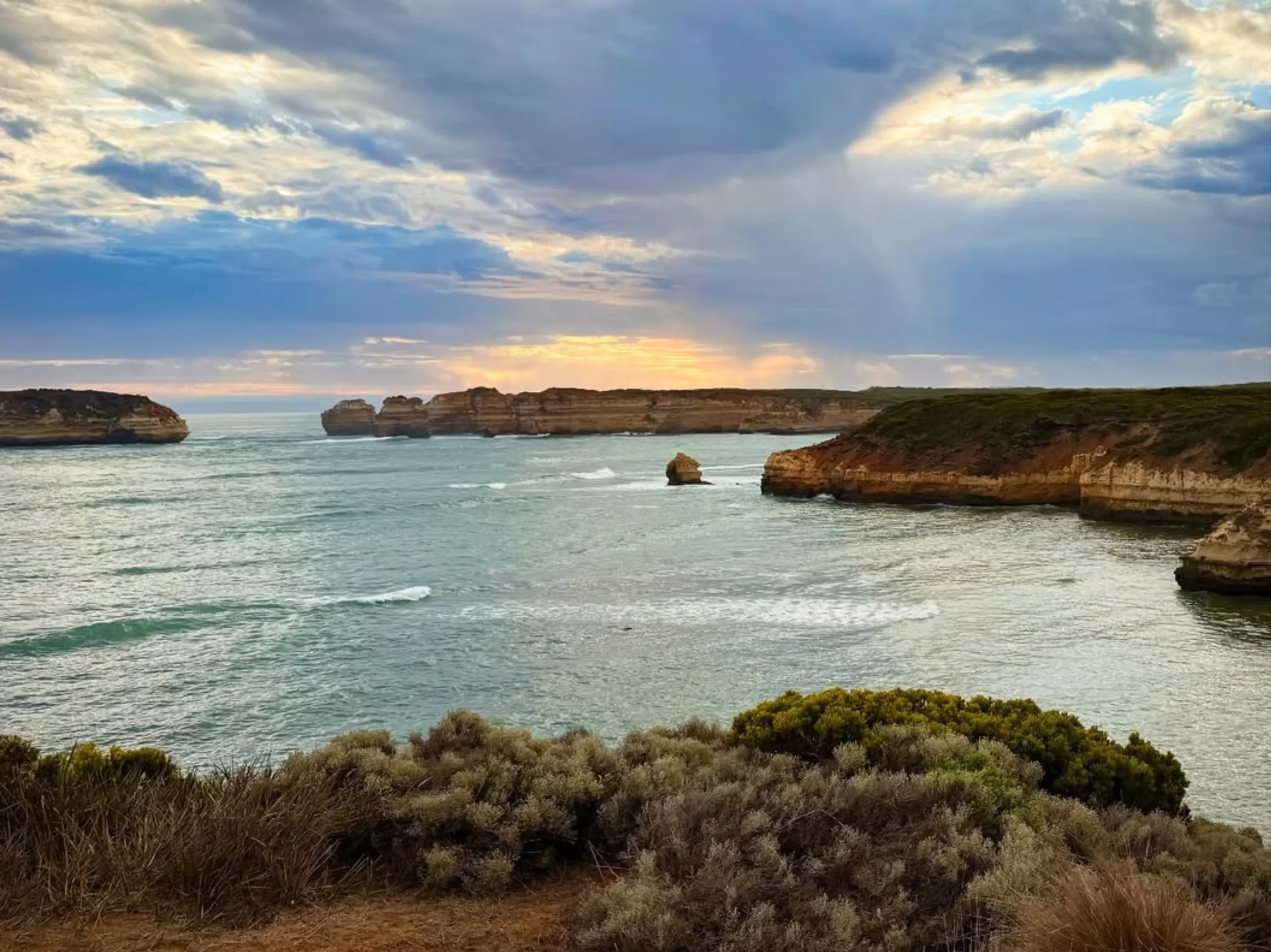
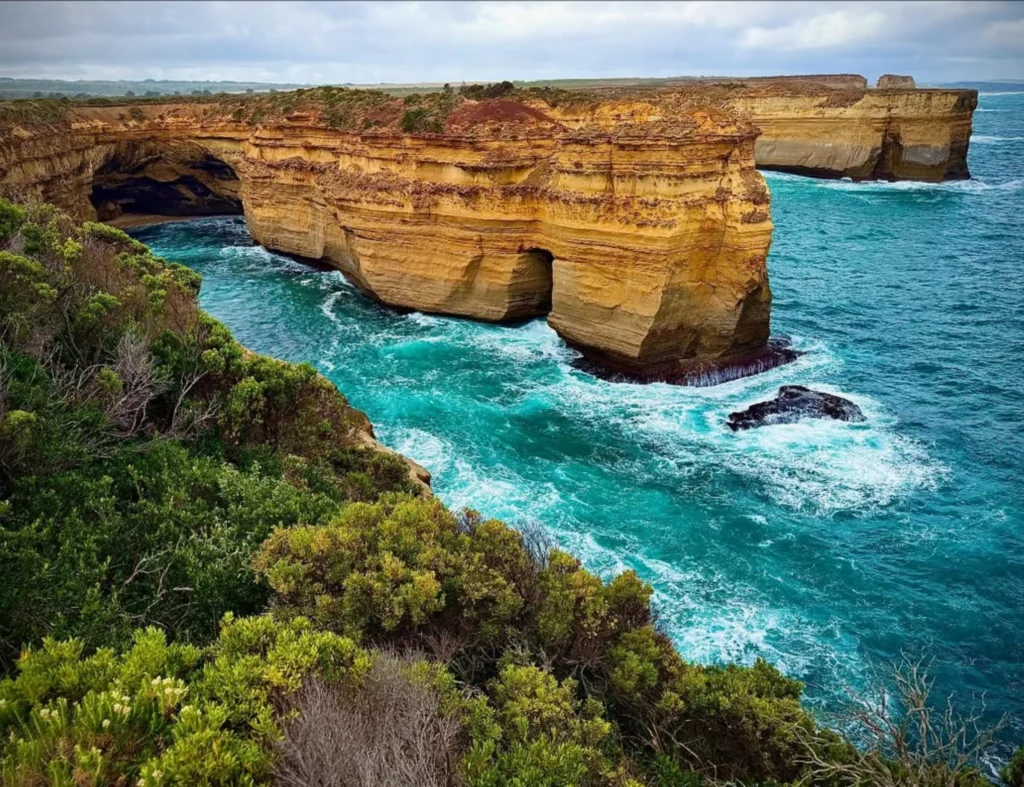
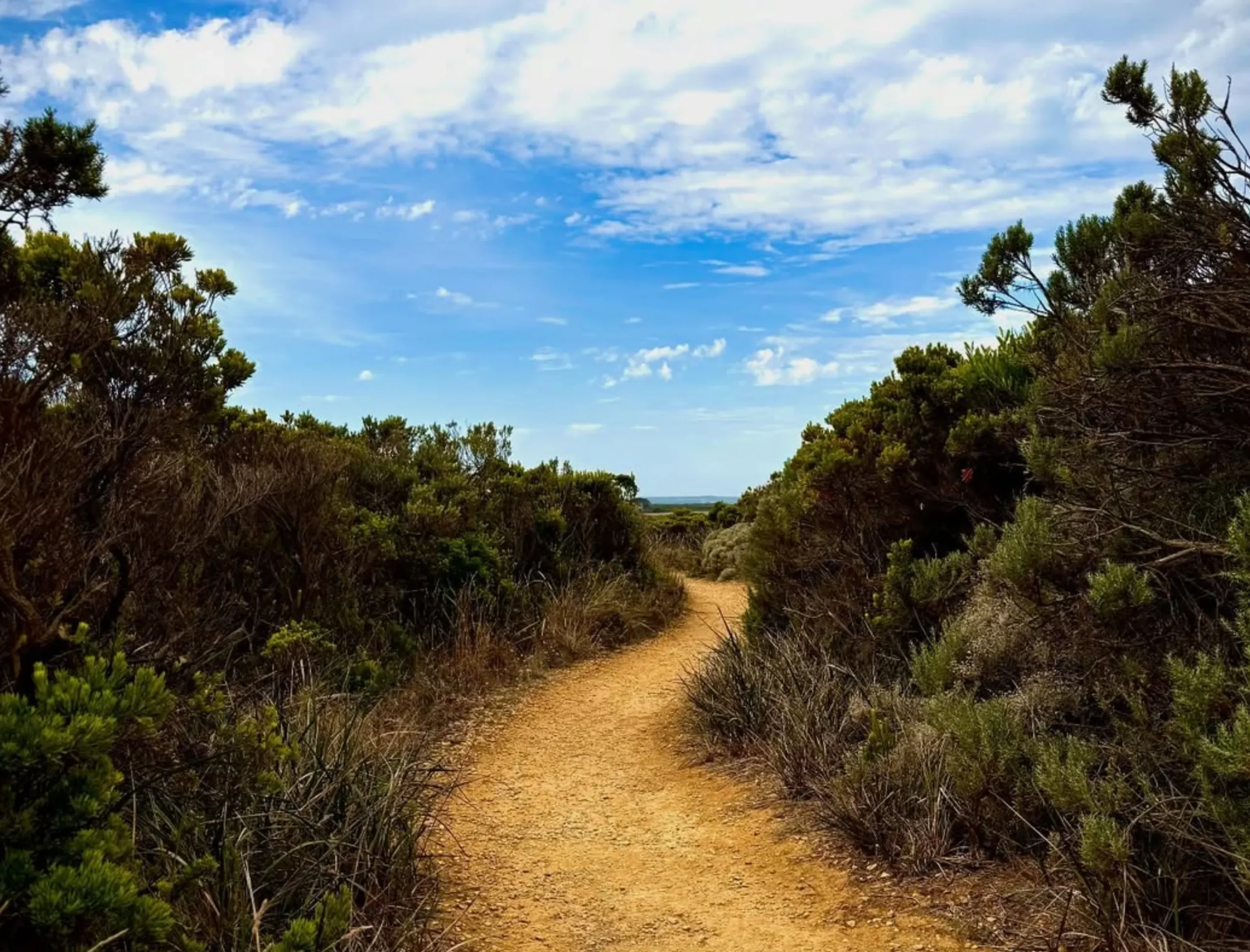
Don’t let the Twelve Apostles take all the glory – the lesser-known tracks in Port Campbell National Park have just as much to offer. Lace up your boots and step away from the viewing platform to explore the tracks that wind through the park. The Gibson Steps track takes you right down to the beach where you can stare the stacks straight in the eye. The Great Ocean Walk – a 100km stretch from Apollo Bay to the Apostles – will give you one day of rainforest and the next day of cliff top drama.
If you only have a few hours to spare, try the Loch Ard Gorge Loop – a compact circuit that’s packed with shipwreck history and sea caves. The Parks Victoria stats say the Great Ocean Walk attracts over 60,000 walkers each year, so it seems you don’t need a 4WD to have an adventure. Some Great Ocean Road tours include guided sections of this hike, so you can learn the stories and legends behind each lookout from local experts.
Kayaking with Seals at Apollo Bay
Ditch the car seat and paddle out into the calm waters of Apollo Bay. You’ll probably share the waves with a colony of Australian fur seals lounging on the rocks, completely unbothered by human onlookers. Guided eco-tours get you close enough for a good look but far enough to respect their space — part of responsible travel along this coast.
Bring a windjacker, because the southerly can sneak up on you. The best months are December to April when the seas are calm and visibility is high. Apollo Bay is a hidden gem along the surf coast — peaceful, scenic and just 15 minutes from the Otways. Many Great Ocean Road Tours stop here to stretch your legs and enjoy the seaside.
Chasing Waterfalls in the Otways Rainforest
Head inland from Lorne or Apollo Bay and you’ll swap sea spray for the cool quiet of the Otways. This temperate rainforest feels a world away from the cliffs, with tree ferns taller than a bloke on a ladder and moss so thick you’ll want to nap on it. Erskine Falls is the local favourite, 30 metres into a fern-filled gully. A little further south, Hopetoun Falls and Beauchamp Falls are just as good, especially after rain.
The Otway Fly Treetop Walk — the world’s longest and highest steel-canopy walkway — gives you a kookaburra’s eye view of it all. Open year-round, but can get flat out busy during school holidays. Great Ocean Road Tours often pair this stop with nearby rainforest walks for those who want to see a different side of the coast.
Great Ocean Road Adventure Highlights
| Experience | Location | Difficulty | Best Season | Local Tip |
|---|---|---|---|---|
| Surf Bells Beach | Torquay | Advanced | Autumn – Spring | Check surf reports for offshore winds |
| Great Ocean Walk | Apollo Bay → Port Campbell | Moderate – Hard | Mar – May & Sep – Nov | Book campsites early |
| Kayak with Seals | Apollo Bay | Easy | Dec – Apr | Morning sessions are the calmest |
| Otway Fly Treetop Walk | Beech Forest | Easy | Year-round | Bring a jacket – it’s chilly up there |
| 4WD Great Otway Tracks | Lavers Hill Area | Moderate | Late Dry Season | Beware of mud after rain |
Off-Road 4WD Tracks Through the Otways
If you think sealed roads are just not your thing, you’ll be in heaven on the Great Otway National Park 4WD tracks. The Lavers Hill Loop and the Sand Road Track offer up a real mess of mud, the kind of fun that’ll have you grinning like a total kid. Just don’t forget to check your tyre ratings – and bring the recovery gear too – because it can get really boggy even on a light drizzle day.
Parks Victoria reckons about one in five visitors to the Great Otway region are driving 4WDs, so it’s clear how popular off-roading has become around these parts. Do watch out for seasonal closures (usually June to September) so you don’t cause erosion or close the tracks for everyone else. Some Great Ocean Road Tours offer 4WD experiences that’ll take you down these lesser-known tracks – it’s a real bush bash if you’re after it.
Spotting Koalas
There’s nothing quite as cool as pulling over near Kennett River and spotting a wild koala just chillin’ above you. These furry freeloaders are regulars in the blue gums along Grey River Road – you’ll often catch them snoozing low down so you can see their bellies rise and fall. Don’t even think about bringing snacks – feeding wildlife is a total no-no.
If you’re lucky, you might even spot some king parrots, kookaburras, or even a swamp wallaby bounding across the track. Keep your camera handy, but keep a safe distance too. Great Ocean Road Tours often highlight this spot, so you can safely check out Australia’s wildlife in the wild.
Exploring Coastal Towns and Public Campgrounds
One of the best bits of a Great Ocean Road trip is just rolling into a new coastal town every day. From Lorne’s buzzing café scene to Apollo Bay’s relaxed vibe, every place has its own special something. You’ll find some great public campgrounds along the route – brilliant for saving some cash and waking up to the sound of the ocean rather than traffic noise.
If camping isn’t really your thing, there are loads of beachside cabins and boutique stays tucked into the hillsides with the most gorgeous views of the surf coast below. Most of these spots are just a minute’s drive off the main road, so you can easily pop in on a whim. Great Ocean Road Tours give you the freedom to go exploring in these local gems while keeping the logistics pretty stress-free.
Shipwreck Tales & Coastal History
The Great Ocean Road – it’s way more than just a pretty drive. This memorial, built by World War I soldiers upon their return home, sits perched along the coast between 1919 and 1932. Every twist and turn, every bridge – all laid by hand, day after day, in the worst weather you can imagine. While you’re on the road, take a detour to the Memorial Arch at Eastern View and pay your respects. It’s a great spot for a classic road trip shot, too.
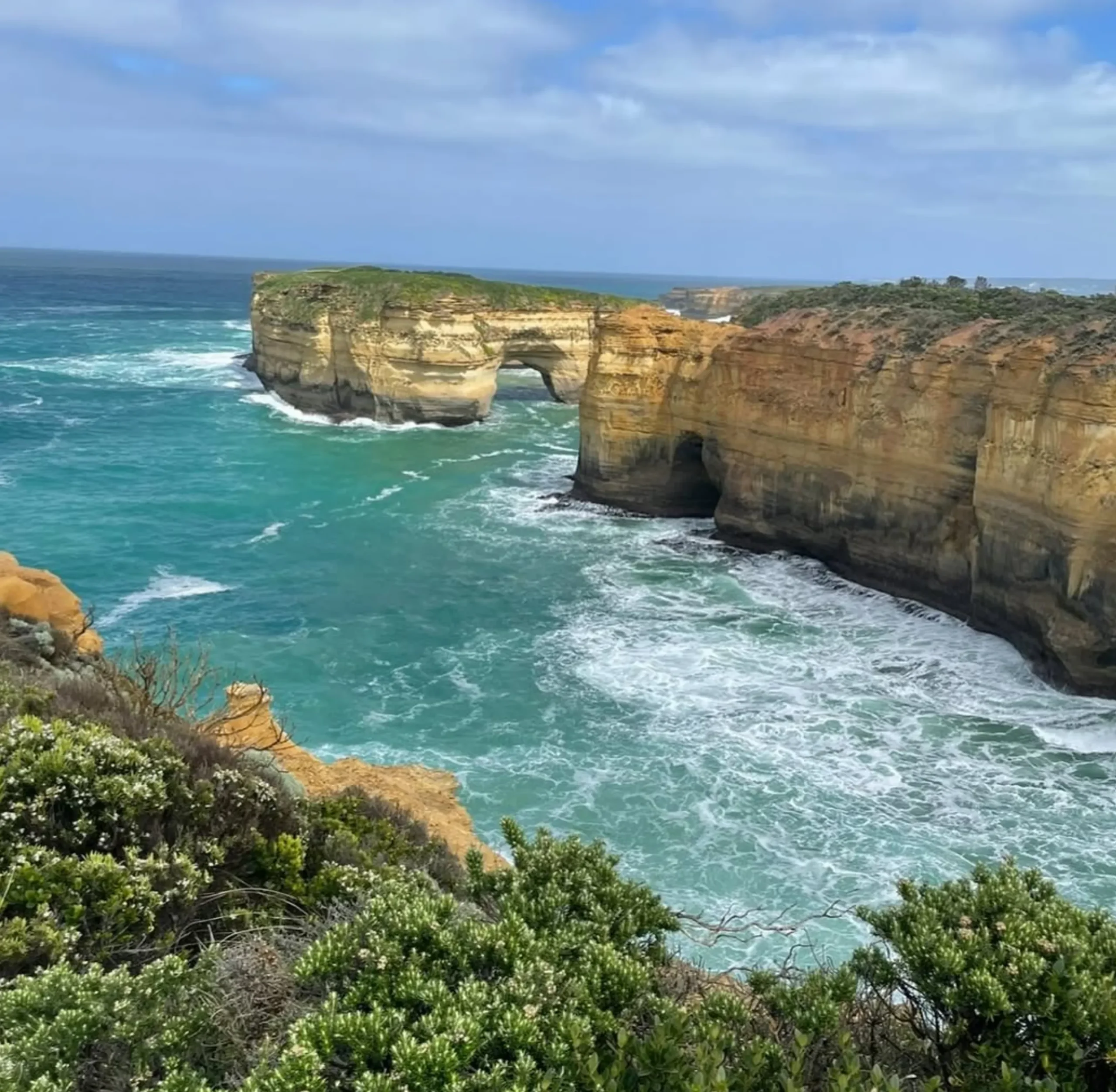
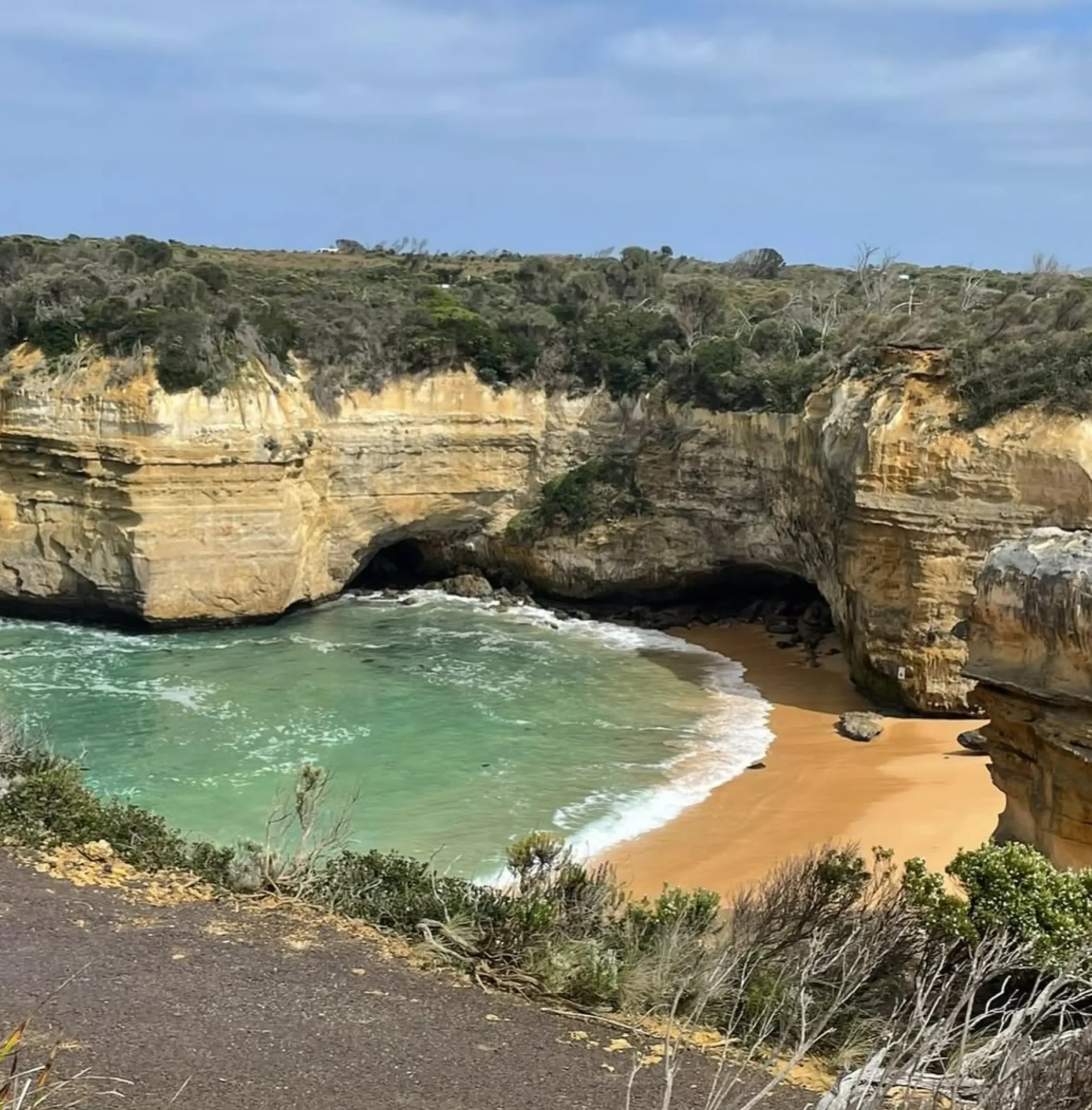
As you head further west, the Shipwreck Coast has some seriously spine-tingling tales to share. The wreck of the Loch Ard back in 1878 – well, let’s say it’s a miracle only 2 people made it out alive. Their rescue was just as dramatic, and you can walk the very spot where it all went down. There are signs along the way to give you the lowdown – do yourself a favour and take a read before you wander off. You can even score a guided tour of the Great Ocean Road that’ll bring the history to life.
Seasonal Tips for a Safe Adventure
The weather can turn on a sixpence around here. In summer, it’s hot as blazes – we’re talking 35+ degrees on the coast & down in the rainforest it can be a cool 10 °C & misty. So pack layers, a first-aid kit, and a minimum of 2 litres of water per person—you never know when you’ll need them.
| Season | What to Expect | Best For |
|---|---|---|
| Summer (Dec–Feb) | Warm coastal breezes, busy roads, high UV | Beach days & short hikes |
| Autumn (Mar–May) | Mild temps, fewer crowds | Long hikes & surf trips |
| Winter (Jun–Aug) | Cold winds, dramatic swells | Photography & whale watching |
| Spring (Sep–Nov) | Wildflowers & waterfalls flowing | 4WD & rainforest walks |
Respecting Country, and Caring for the Coast
Before you head out, take a second to acknowledge the Traditional Owners – the Gadubanud and Eastern Maar people, who’ve been looking after this coastline for thousands of years. Loads of local tour operators – ours included – work with Indigenous guides, who can give you a real insight into the area’s culture and history. Just stick to the marked tracks, take your rubbish back home, and don’t go too hard on the accelerator – this land’s been around a lot longer than any of us has.
Wrapping It Up – The Highway That Keeps Giving Back
Every time I take a group out on the Great Ocean Road – or even just get behind the wheel myself – I’m reminded of why I fell in love with travel in the first place. It’s not just about ticking off all the sights – it’s about getting sunburnt, hearing the kookaburras calling out as the sun goes down, and having a yarn with some mates over a cold one at the end of the day.
So fire up the ute, pack your sense of adventure, and make sure you leave some room in your itinerary for the unexpected. Whether you come out with us on a Great Ocean Road Tour, or go it alone, you’ll find the same rewards : freedom, connection, and a bloody great view.
Got a favourite backroad or secret spot that I’ve missed? Throw me a line in the comments – I’m always tweaking the notes.
(Data accurate as of 2025 – but always double-check the weather and road conditions with Parks Victoria before you head out.)
The best months to visit are usually from December to April, when the sea’s a bit calmer and the views aren’t too hazy.
FAQ
How long should you allow to drive the Great Ocean Road?
You’ll need at least a couple of days to take it easy – one day for the coastal bit, and another for the Otways and any inland detours you want to do. Loads of people take three or four days to get it all in – time to go for a hike, catch a few waves, or just chill out without rushing.
Can you just camp anywhere along the route?
No – they’ve only got designated campsites. Parks Victoria and the local councils manage a few public ones, and you should book up for summer.
Is it safe to swim at the beaches along the Great Ocean Road?
In general, yes – the ones at Lorne and Apollo Bay usually get patrolled, but steer clear of the unpatrolled bits with strong rips. Always keep an eye out for the safety signs.
What’s the best way to do it – east to west, or west to east?
If you do it east to west – from Torquay to Allansford – the ocean’s on your left, and you’ll get better views and safer pull-ins.
Are drones allowed at the Twelve Apostles?
No—they’re banned in Port Campbell National Park to protect wildlife and visitors. Why not just use a zoom lens instead?