
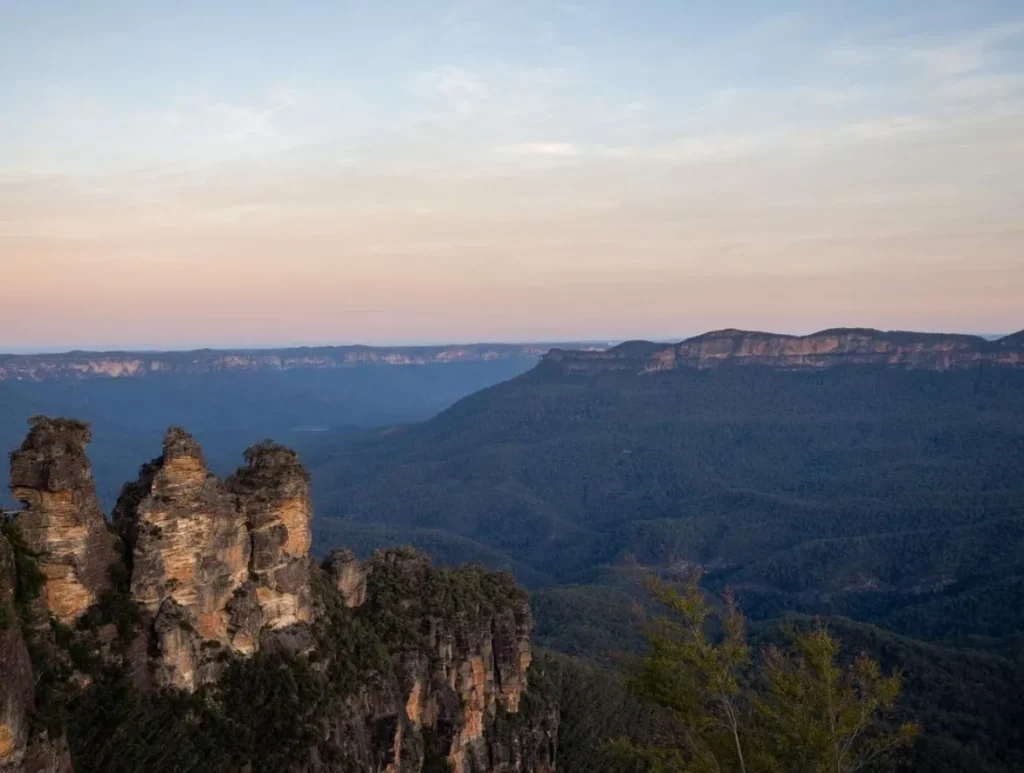
The Blue Mountains are a special place because it’s on the UNESCO heritage list, and the reasons are obvious even to a casual tourist; the landscape flora and fauna are just jaw-dropping. This region, with eucalypt forests, sclerophyll forests and miscellaneous vegetation, supports many species found only here. The natural beauty of the Blue Mountains goes hand in hand with many endemic and relic species which makes it a hub for global science and conservation. This paper will deal with one more important and underappreciated component of the Blue Mountains landscapes – the wildlife and plant species and why we need to save them.
Eucalypt Forests: The Heart of the Blue Mountains
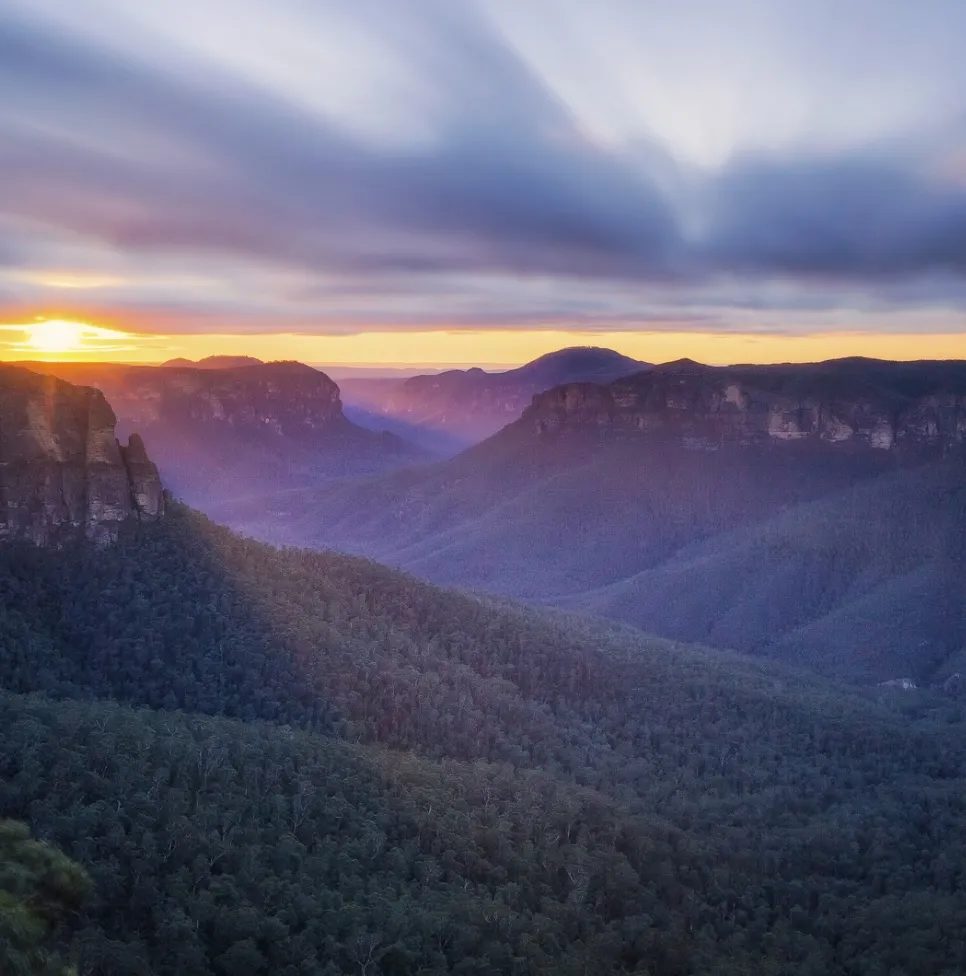
One of the most iconic features of the Blue Mountains is its eucalypt forests. This type of forest covers large areas and has many flora and fauna. The dominant eucalypt genera, with its tall, shady branches, provides even more appeal and shelter to many of the natives. These forests are said to be highly valuable to the endemic taxa and help the survival of plant and animal species. The importance and functions of eucalypt forest doesn’t stop at providing habitat, rather they play a big role in water production and involved in many volcanogenic processes in the Blue Mountains.
A Sanctuary for Plants and Animal Kingdom
The biosphere, Blue Mountains, is home to many native flora and fauna. The variety of ecological processes supported by the region’s habitats, including tree branches, local swamps, vertical cliff faces, and inaccessible valleys, is wide. Of the flora, several unique and endemic plant communities are recorded, while among the fauna, vertebrate and invertebrate faunas are very rich. Such a high level of biological diversity means the Blue Mountains are environmentally important and justify the conservation effort.
Get some cool wildlife in this country
Travelers to this part of the Blue Mountains will also see many important and cool animals and wildlife that add to the biological diversity of the area. Knowing these behaviours and characteristics will make the exploration of the Blue Mountains more enjoyable and appreciate of the Mountain’s ecosystem. Additional straightforward pelagic views of the synchrony there Savona can be obtained when less charismatic but equally cool individual pond invertebrate fauna are studied along with more glamorous vertebrates like koalas and kangaroos.
Australian Animals
The Blue Mountains are home to a variety of native wildlife species. Here is an overview of some of the notable animals you might encounter:
Koalas
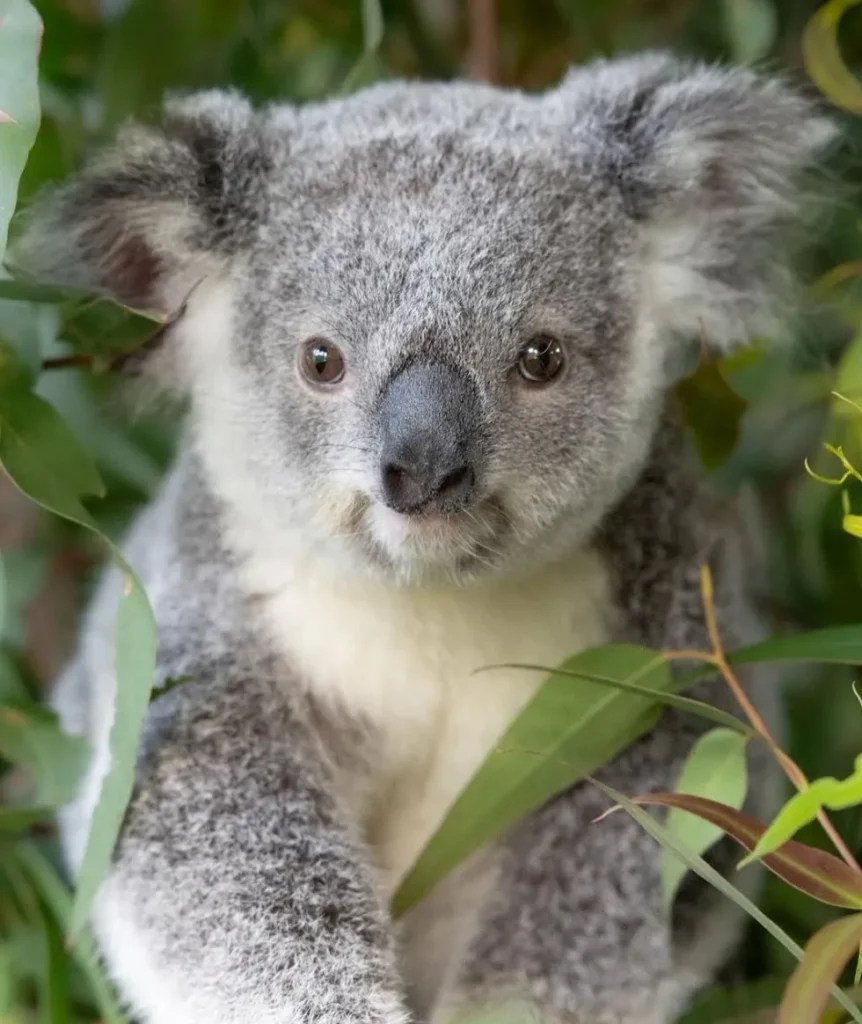
In the Blue Mountains, koalas are one of the most iconic residents. Tree-dwelling marsupials with big round ears and cheek patches. Found in eucalypt forests where they eat eucalyptus leaves and live in the cool canopy. Koalas are good indicators of eucalypt habitat and the Blue Mountains ecology. But they still face capacity and habitat destruction from invasive species.
Kangaroos
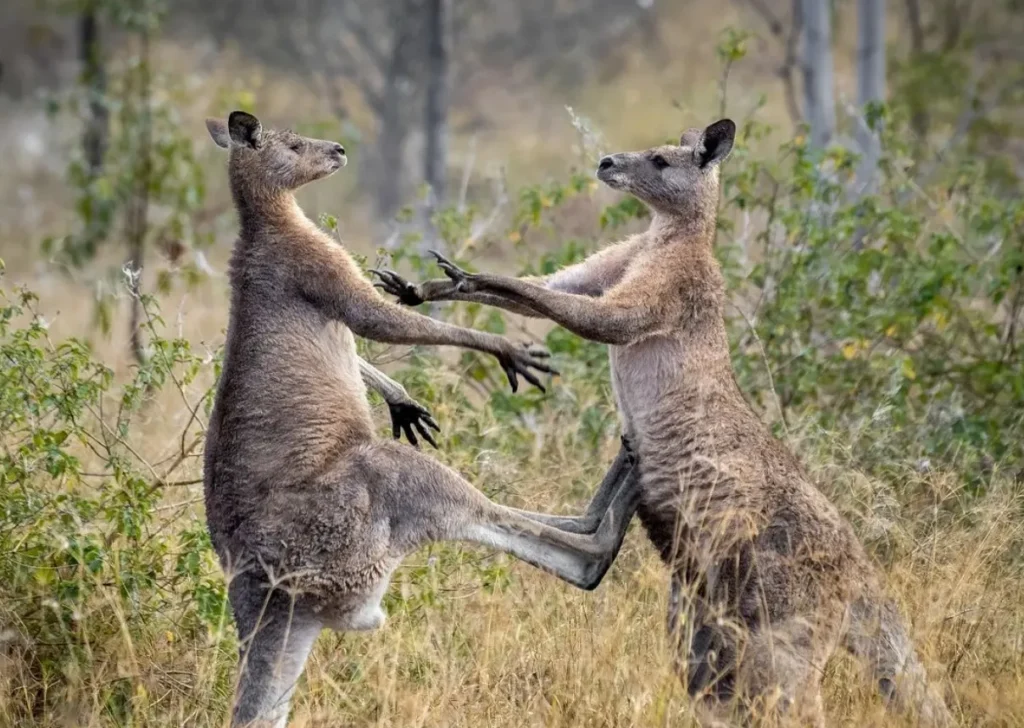
Grey kangaroos are another major sub-taxa of the Blue Mountains. Side on, these marsupials are well suited to the dry open grasslands and dense forests. Grazing, which they can’t live without, modifies the surface and composition of the vegetation cover. Their relationship with the environment indicates the age of the living processes in the ecosystems of the Blue Mountains.
Cockatoos
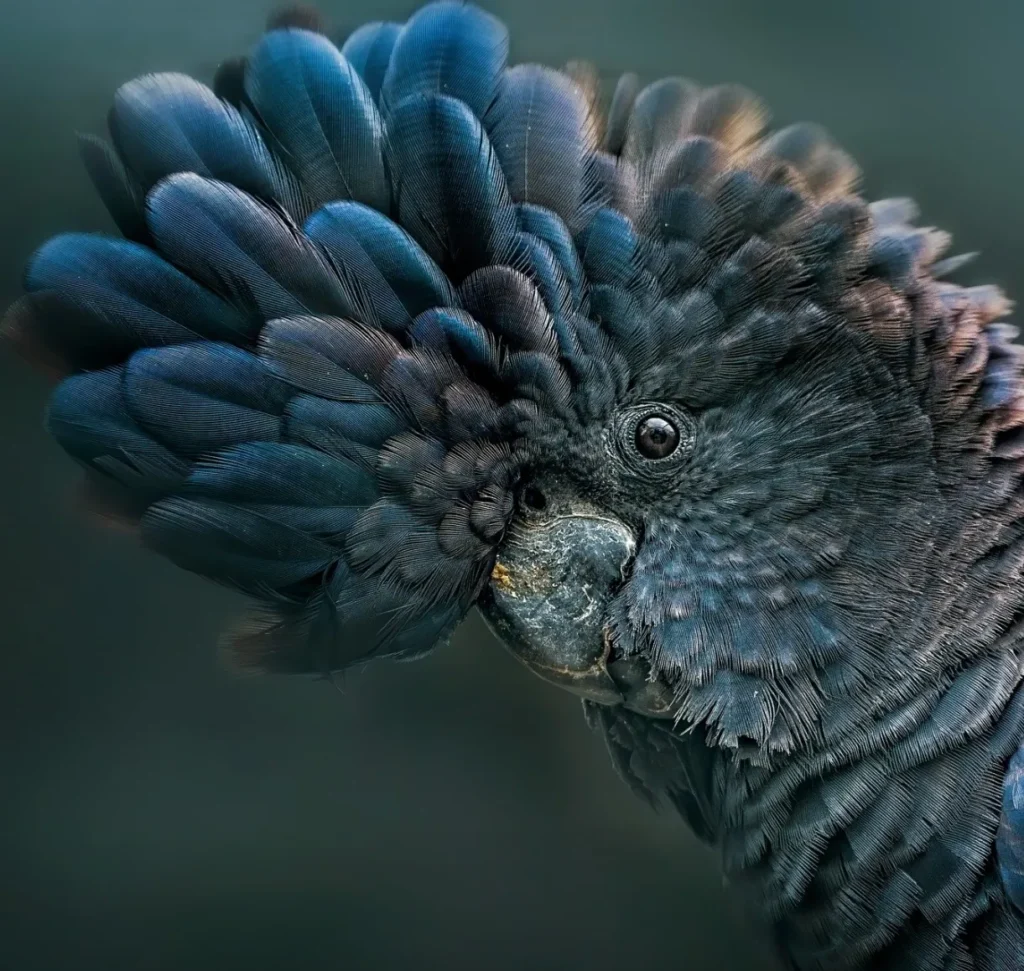
The Blue Mountains have several colourful bird species, including the Gang-gang Cockatoo and black cockatoo. These birds are loved for their beautiful plumage and loud calls. They are part of the Blue Mountains ecological systems and are good for seed dispersal and plant population health. There is the Blue Mountains Fauna Project and Birdlife Australia which focuses on these species’ threats and conservation and understanding their role in the ecosystem.
Lyrebird
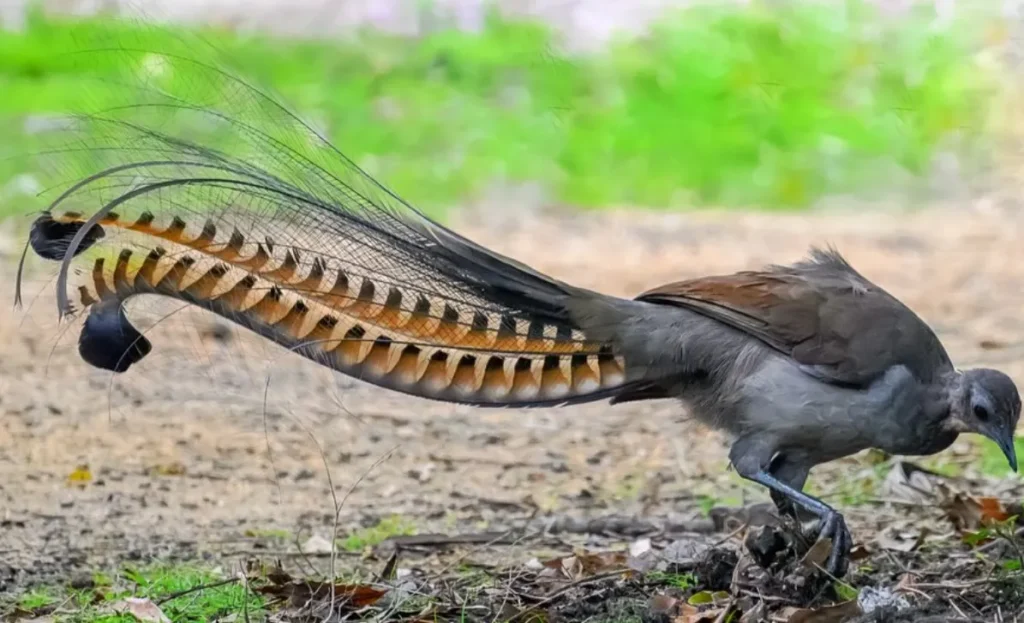
Another gem of the Blue Mountains is the Lyrebird, famous for its ability to mimic other birds. What makes this bird special is its talent to copy other birds’ calls or even other sounds. Apart from the other species in the mountains, the lyrebird adds to the ecological diversity of the Blue Mountains.
Crimson Rosella
A good example of a bird in the Blue Mountains is the triangular-headed crab, which has red and blue feathers. This parrot is common in the area and is one of the most colourful birds in the region. As a seed disperser, the Crimson Rosella eats seeds and fruits and is good for the plantation.
Blue Mountains Water Skink
Also, a lesser-known species is the Blue Mountains Water Skink. The skink inhabits the unique water bodies in this area including localized swamps and streams. So, their presence is an indicator of such water bodies, and we need to protect these environments.
Wombat

Wombats are another species in the Blue Mountains. This burrowing marsupial has stout bodies and cube-shaped poo. Wombats are important to ecosystems, building the burrows that house many other animals and aerating the soil.
Blue Mountains Water Skink
In the wet and shady edges of the ecological zones are the Blue Mountains Water Skink. Their numbers are dependent on functional aquatic habitats so are indicators of the impact on those ecosystems.
Native Flowers in the Blue Mountains
The Blue Mountains have many native flowers. Each one adds to the plant communities. They look good and feed the local wildlife through nectar and pollen.
Dwarf Purple Flag
The Dwarf Purple Flag is a pretty flower in the Blue Mountains. Purple. Scleromorphic flora.
Flannel Flower
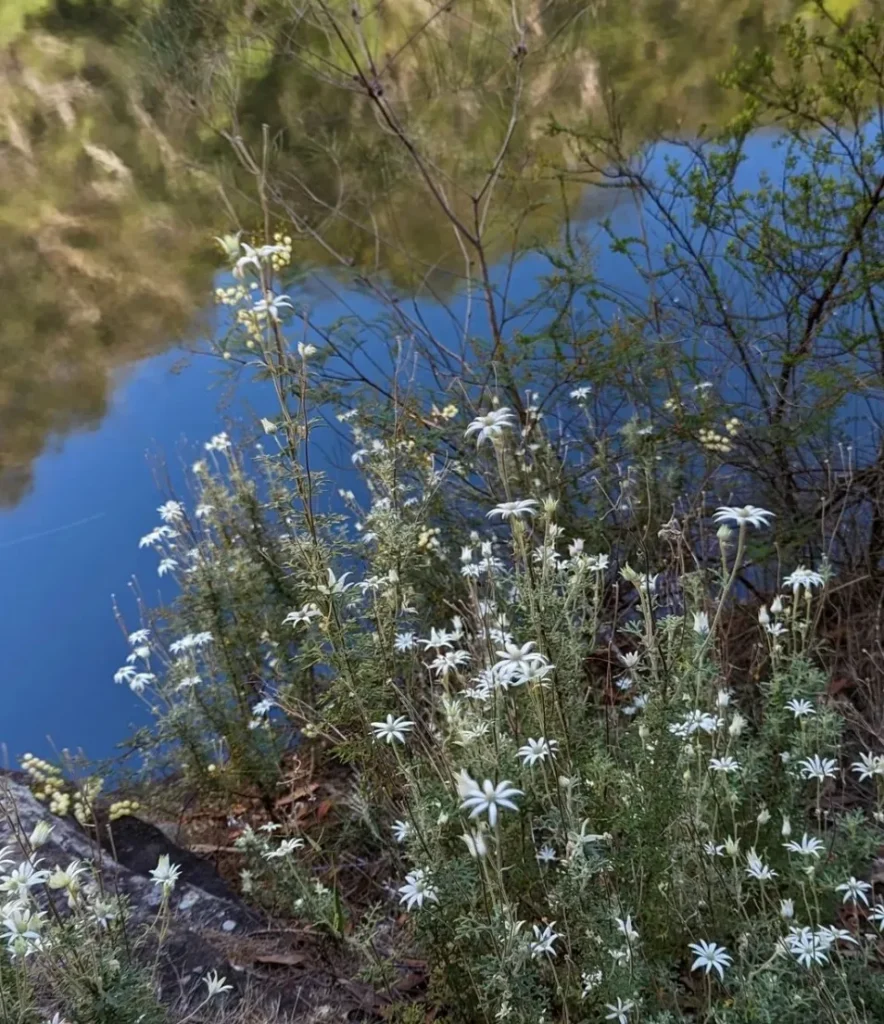
The Flannel Flower has soft, woolly petals. Another native in the Blue Mountains. Tough as nails and adds to the flowers.
The Smoke-bush Flower is for its smoky appearance. This plant grows in the sclerophyll forests and provides habitat and food for many animal species.
Banksia Marginata Flower
The Banksia marginata, or silver banksia, is a flowering plant in the Blue Mountains. Big cone-shaped flowers are a nectar source for many bird species, including honey eaters.
Native Plants in the Blue Mountains
The Blue Mountains have many native plants that are part of the ecosystems. Several plant families and species that are adapted to the conditions.
Gumtree / Eucalyptus
Blue mountain vegetation is gum trees or eucalyptus. They can grow in any area that has had fires and droughts. They are useful to the region’s ecosystems. Eucalyptus forests help and support many animals and are part of the ecological processes of water availability and preventing soil erosion.
Tree Fern
And tree ferns are another important plant species in the Blue Mountains. These ancient plants grow in the dark and damp of this region and add to the many plant life here. They increase the complexity of the environment and the animals.
Conservation of Natural Systems
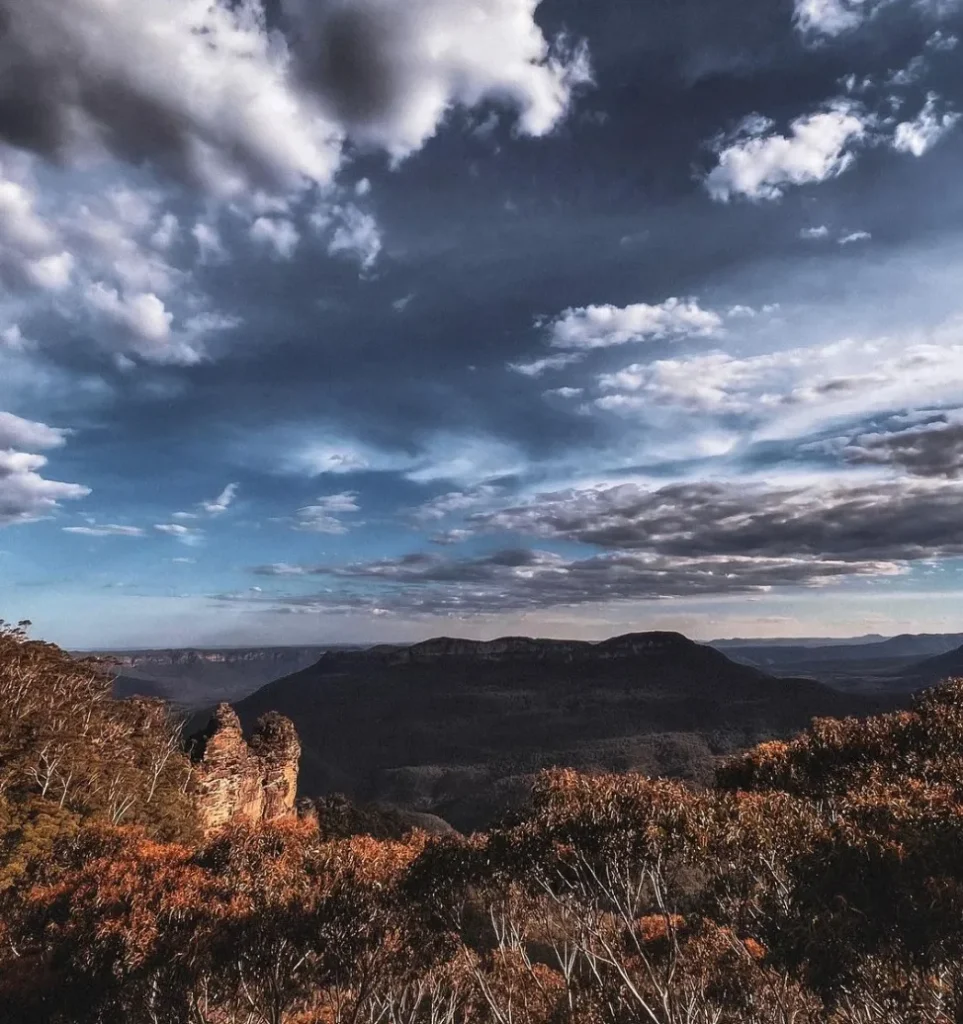
We need to conserve the natural systems of the Blue Mountains to keep the balance of the ecosystem and protect the rare flora and fauna. Much of the focus is on protecting the habitats of the region from development, invasion and pollution. The Blue Mountains National Park and the surrounding protected areas are taking a proactive approach to this. The Blue Mountains Conservation Society and Blue Mountain sunset tour are some of the organisations that are working on conservation and raising awareness about the need to protect the ecosystem.
Managing exotic species and feral animals is important as it improves the state of the environment. These species outgrow and outcompete native animals and plants and so lose biodiversity. Continued management of these latter threats as good eco-tourism will protect Blue Mountains wildlife and vegetation.
Threatened and Endangered Animals
It’s not just people who are vulnerable but also animal species in the Blue Mountains. Various factors contribute to these species being threatened, including loss of habitat, predation by invasive species and climate change, amongst others. Some of these include:
- Brush-tailed Rock Wallaby: This endangered wallaby is found in the rugged areas of Blue Mountains. Current threat mitigation strategies are focused on habitat protection and predator control and habitat redevelopment.
- Spotted-tailed Quoll: The Spotted-Tailed Quoll is a unique marsupial with a declining population due to habitat change and lack or elimination of predation. Environmental protection measures are to protect the area and restore the population.
- Yellow-tailed Black Cockatoo: Another Australian icon bird is the Yellow-Tailed Black Cockatoo, not listed as endangered but still threatened by habitat destruction and other environmental changes. Details on its conservation is highlighted through research on its population.
Summary
The 1 Day Blue Mountains Tour company offers a special opportunity to explore both the wildlife and plant species that make this area unique. From sprawling eucalyptus forests to secluded small swamps, it’s a haven where many indigenous and endemic species thrive. Protecting these ecological communities is crucial for preserving the natural beauty of the Blue Mountains. A comprehensive understanding of this place, gained through guided tours, will help us protect and sustain it for future generations.
FAQ
What animals can I see in the Blue Mountains?
Some of the common and notable wildlife found in the Blue Mountains are koalas, grey kangaroos, Spotted-tailed Quoll, and birds like Gang-gang Cockatoo and Crimson Rosella.
What do eucalypt forests do for the Blue Mountains?
Eucalypt forests in the Blue Mountains are very productive and provide space and resources for many animal species, water for use, erosion control, and other ecological services.
What threatens the native wildlife in the Blue Mountains?
Some of the biggest threats to native wildlife in the Blue Mountains are habitat destruction, introduction of weeds, urbanisation, tourism and development and its impacts. These threats are addressed by conservation activities as the main aim is to restore and conserve the biodiversity of the area.
How can I get involved in conservation in the Blue Mountains?
You can give your time to conservation work run by the Blue Mountains Conservation Society, Blue Mountains Bushcare and other local groups. These groups run volunteer activities, conservation programs and other activities that protect the natural environment.
What native plants are in the Blue Mountains?
Among others are dwarf purple flag, flannel flower, smoke bush flower, banksia marginata flower and different types of eucalyptus. These are beautiful in their own right as they add to the floral diversity of the area and, therefore, help the animals that live here, too.