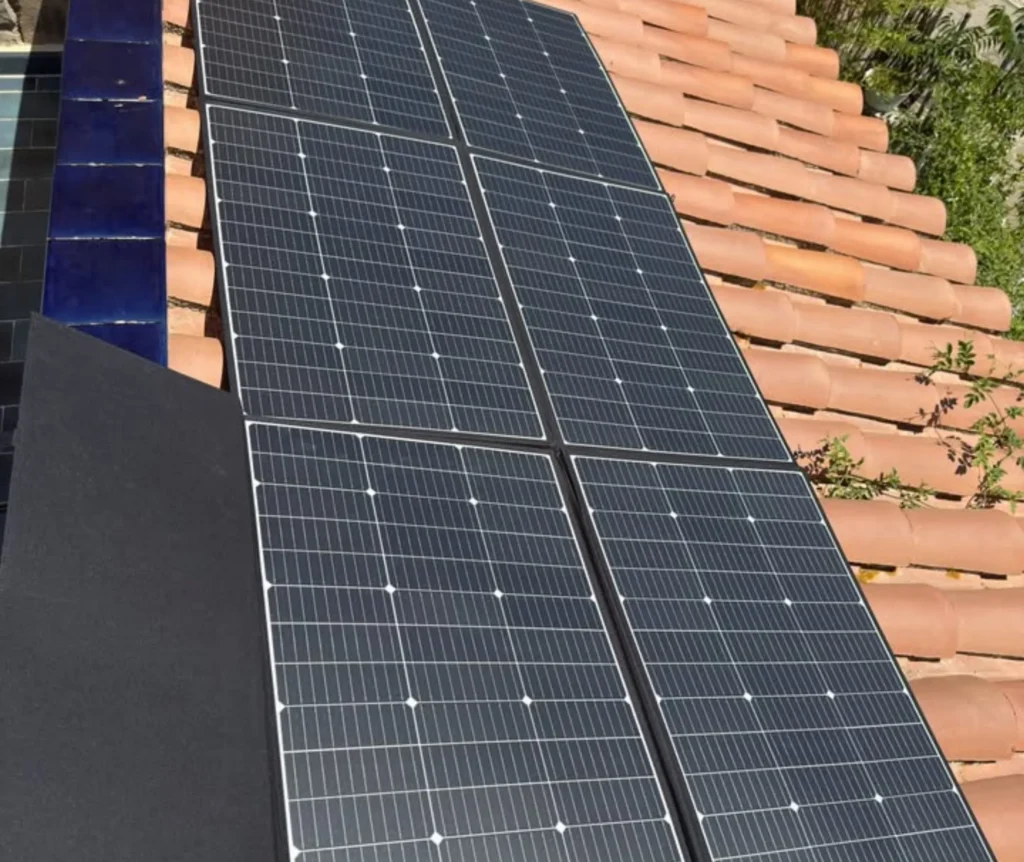
Let’s clear something up straight off the bat — does rain clean solar panels? It’s a question we get almost weekly, usually followed by a hopeful glance toward the sky. And while it’d be nice if a passing shower did the hard work for us, rain just doesn’t cut it.
We’ve seen more dirty panels than we’ve had hot dinners, and time after time, someone says, “It rained last week — that should’ve cleaned them, right?” Nope. A rain shower might rinse a bit, but it won’t shift the bird droppings, baked-on dust particles, or mineral deposits that actually mess with your solar panel performance.
A Look at Rain vs Real Cleaning
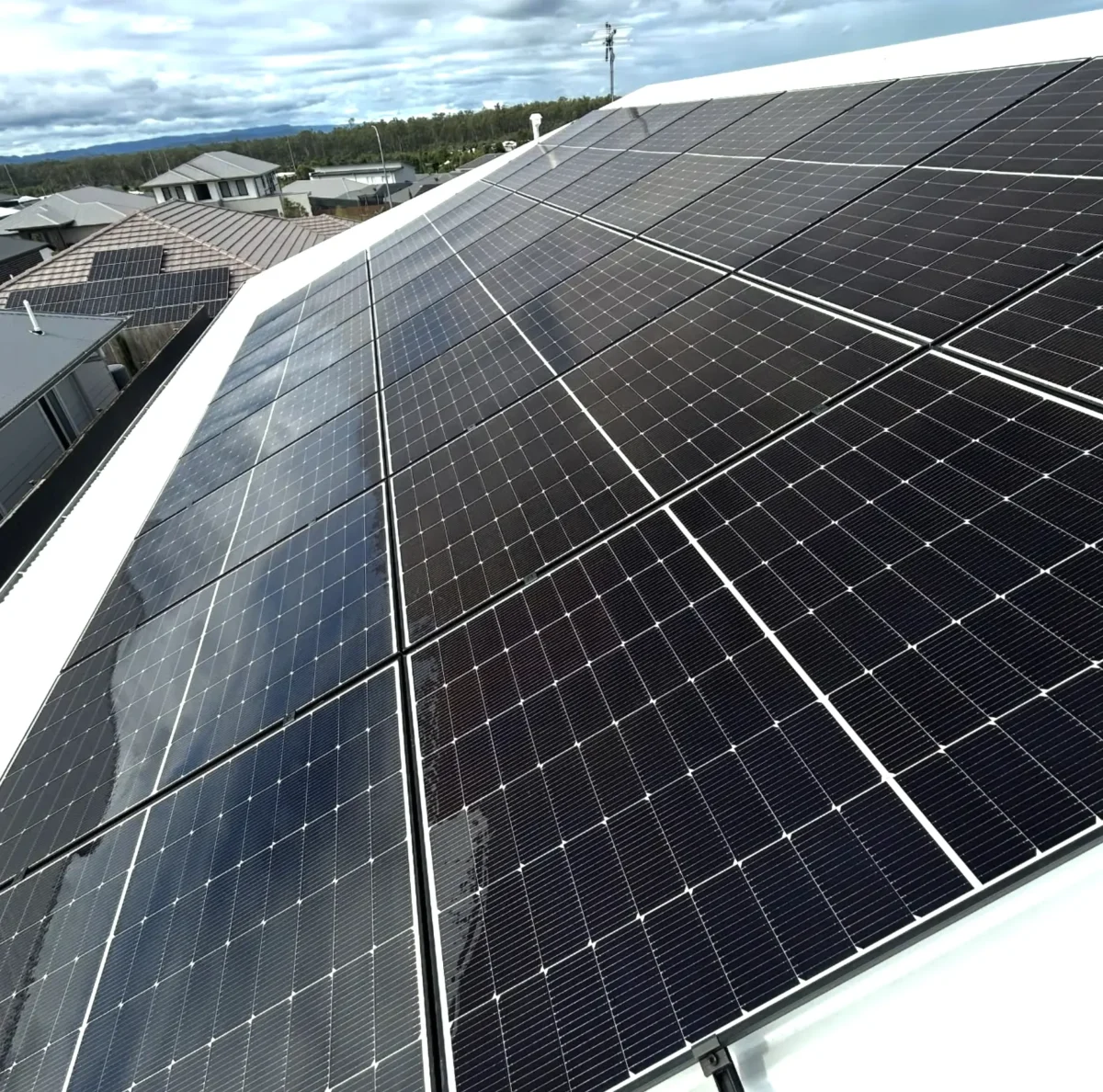
If you think natural rainfall counts as a proper clean, let us ask you this: when your ute gets coated in red dust and a bit of rain hits it, does it come up shiny? Or just streaky and grimy?
Solar panel cleaning is no different. Rain may help loosen some airborne particles, but it’s not scrubbing anything off. What your panels actually need is:
- Soft brushes that won’t scratch delicate PV cells
- Soapy water or a mild detergent to lift grime without damaging coatings
- Cold water or a lukewarm rinse to avoid thermal shock
- A proper rinse and dry at the right time of day to prevent streaks
That’s what a professional cleaner does — not just stand around hoping the sky does the job for free.
Rain Might Rinse, But It Doesn’t Scrub
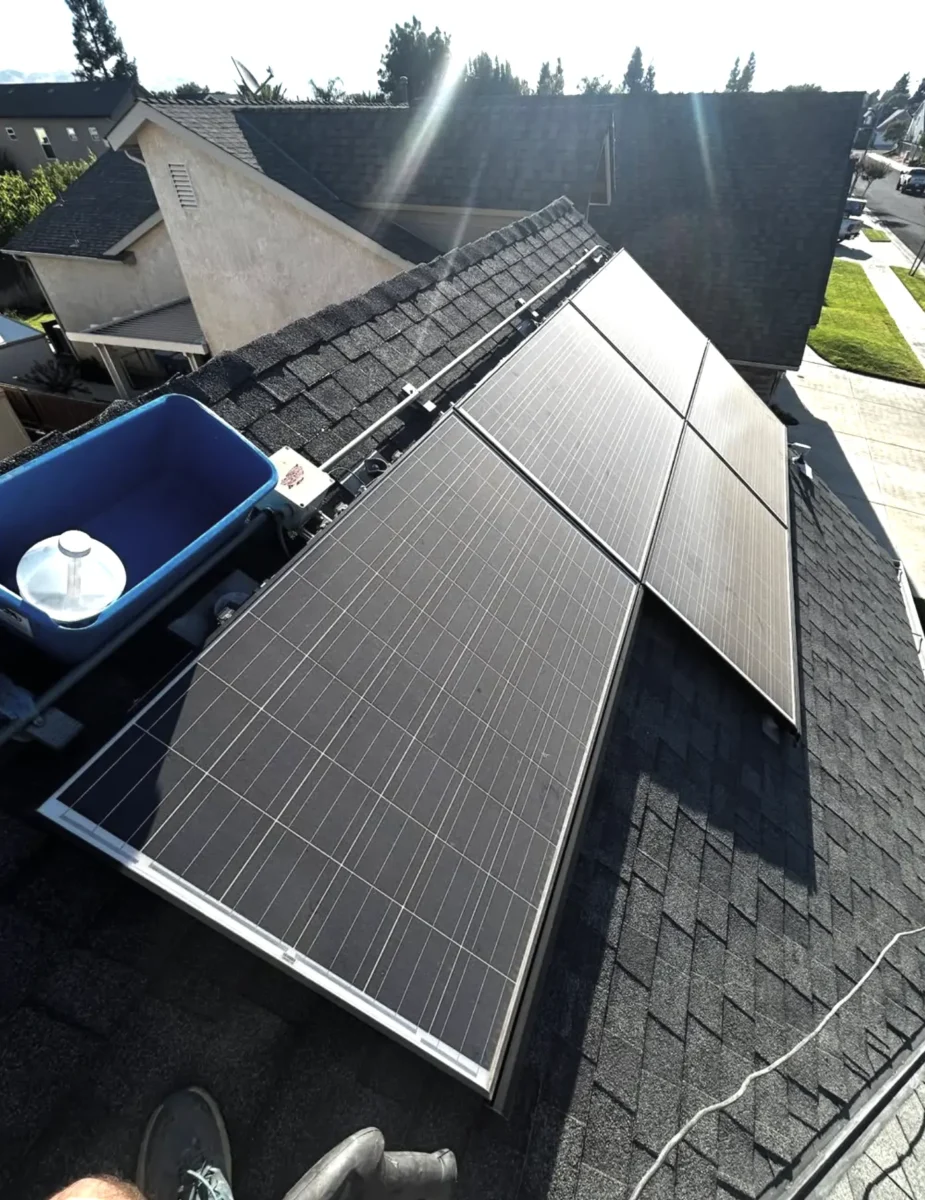
We’ve cleaned solar panels in Melbourne and other suburbs— from sandy Top End rooftops to mould-prone Tassie sheds — and trust us, natural cleaning from the weather is wishful thinking.
Rain might rinse off:
- Loose leaves
- Some dry dust
But it won’t budge:
- Stubborn dirt and persistent stains
- Bird droppings, baked on like concrete
- Sticky pollen from spring winds
- Black dust from nearby bushfire activity or airborne pollution
Even worse, in areas with frequent rainfall, you’ll get dust coverage that clumps when wet and dries as blotches.
What Rain Leaves Behind
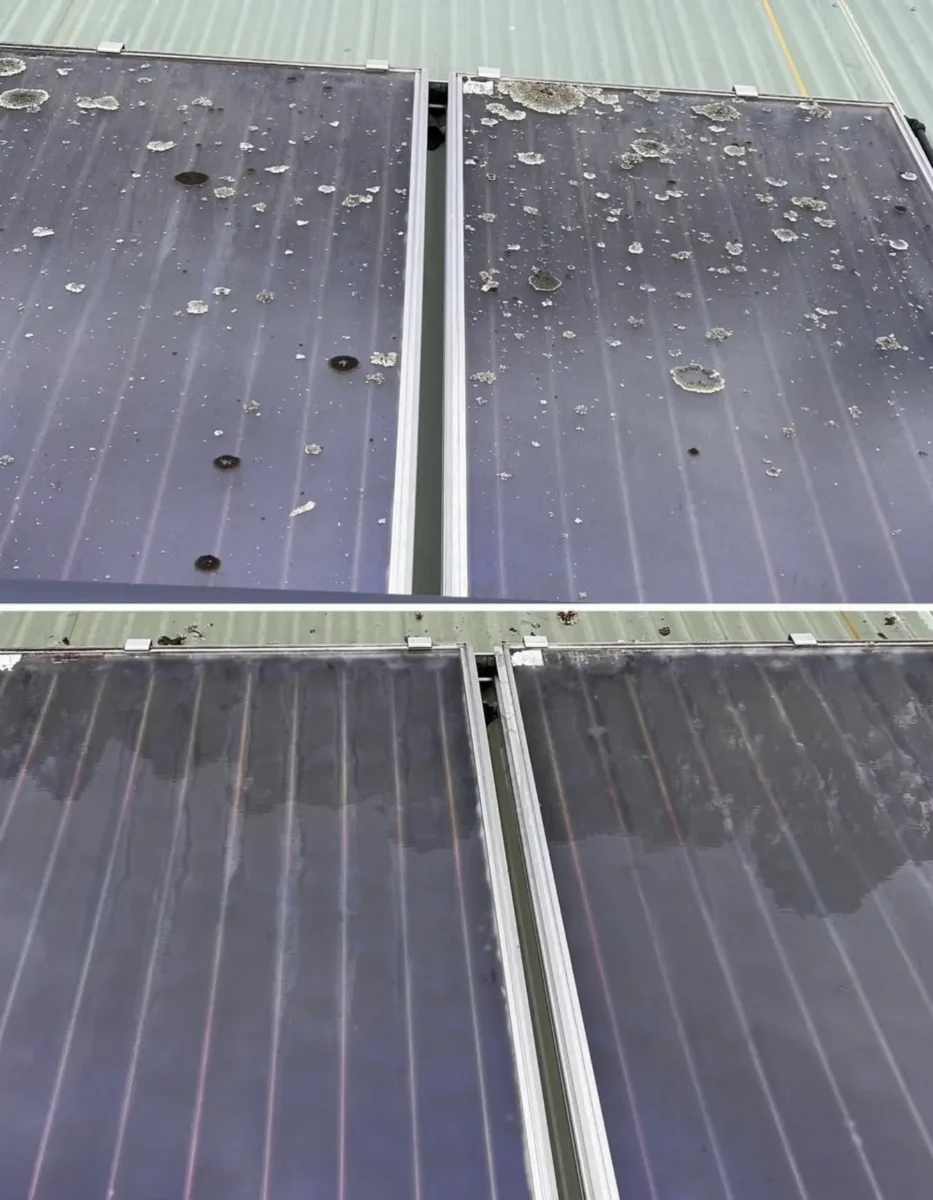
Rain doesn’t remove — it redistributes. It creates streaks, patches, and sometimes even a film over the glass.
Here’s what we regularly see left on panels post-rain:
- Mineral deposits from bore or hard water in inland areas
- Animal droppings that smear and stain, especially under trees
- Accumulation of droppings from pigeons, cockatoos, and the occasional flying fox
- Grime pooling in the corners of flat panels due to a lack of drainage
- Fungal growth in shady spots — yes, stubborn stains even form on solar panels
These leftovers block light absorption, reduce solar panel output, and drag down the solar generation of the whole system.
When and Where Rain Makes the Least Difference
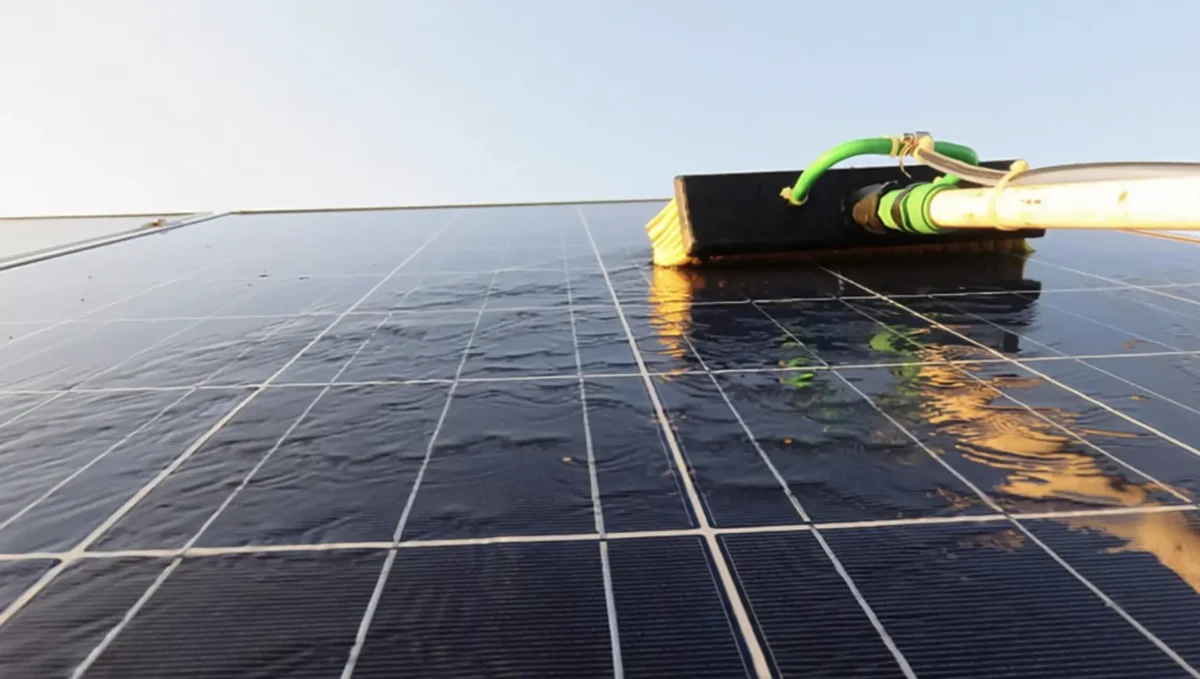
Some areas are particularly bad for relying on rain to clean solar panels. Let’s break it down by region:
Inland Properties
Red dirt, fertiliser spray, and fine sandstorms stick to PV cells and stay stuck — especially on panels with water drying unevenly. High air temperature bakes grime on quicker than you can blink.
Leafy Suburbs
Solar panel owners in Melbourne’s east or northern Sydney deal with leaf litter, tree sap, and the fallout from possums and birds. Rainy weather just smears it all around.
Coastal Homes
Salt crust forms on solar panel systems, and frequent cleaning is essential. Rain showers alone don’t dissolve salt particles, and they make it worse when they dry.
High-Traffic Zones
Busy highways and construction kick up airborne pollution. You end up with a sticky, grime-coated surface that rain just can’t move.
The Truth About ‘Self-Cleaning’ Panels
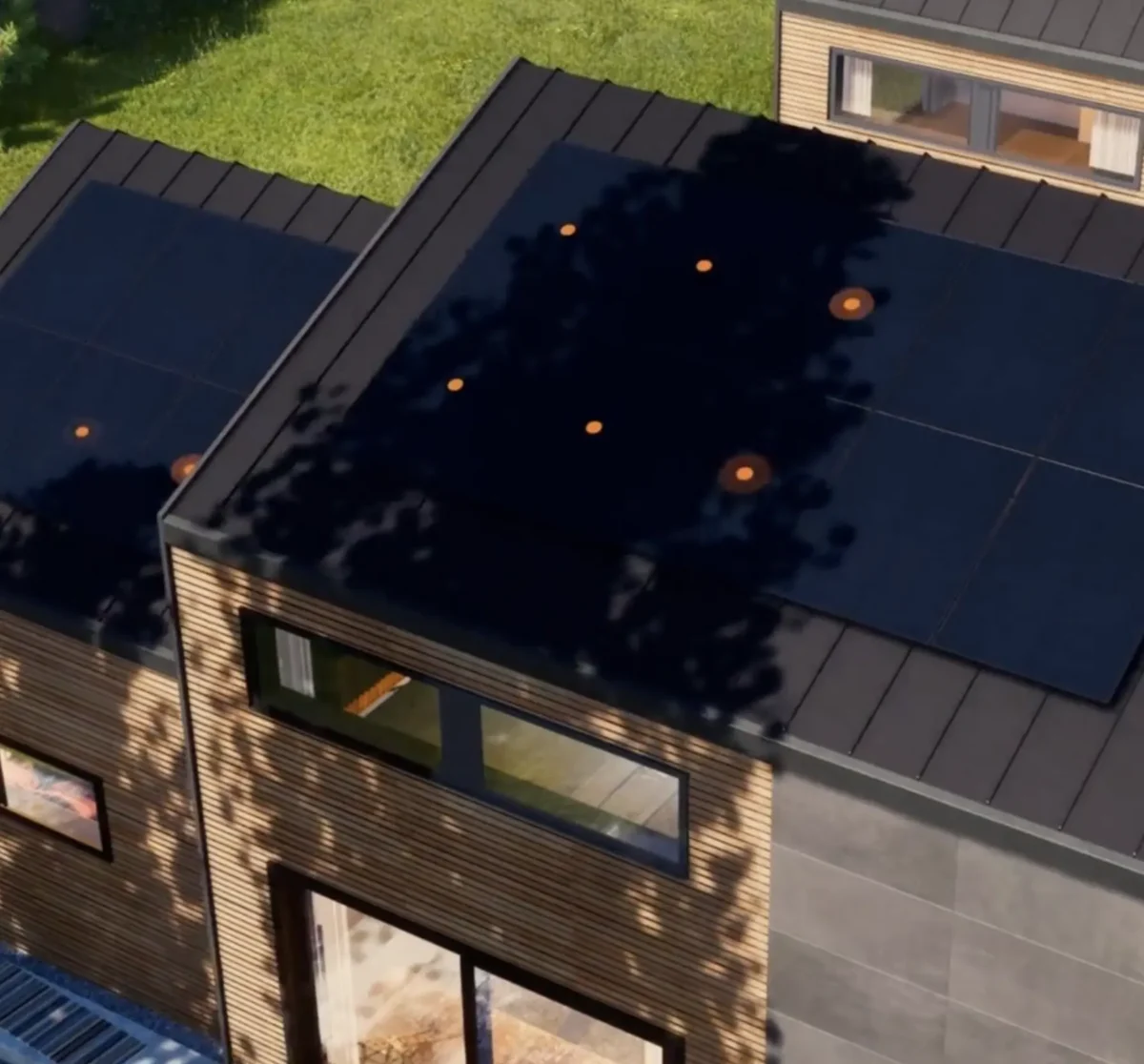
We get it. Some solar panel manufacturers claim their gear is self-cleaning thanks to fancy coatings. And while it might help a little, like adaptive technology that sheds water better than glass, it’s still not real cleaning.
From what we’ve seen in the field:
- Hydrophobic coatings degrade over time
- Panels laid at a low pitch hold on to grime longer
- Geographic location matters — salt air, dust storms, or pollen all reduce the so-called self-cleaning benefit
- Even the best coatings can’t remove chemical residue, bird mess, or soapy buildup left from previous DIY cleaning
If you want maximum efficiency, you’ll need professional solar panel cleaning services — not just marketing spin.
Our Field-Tested Cleaning Tip
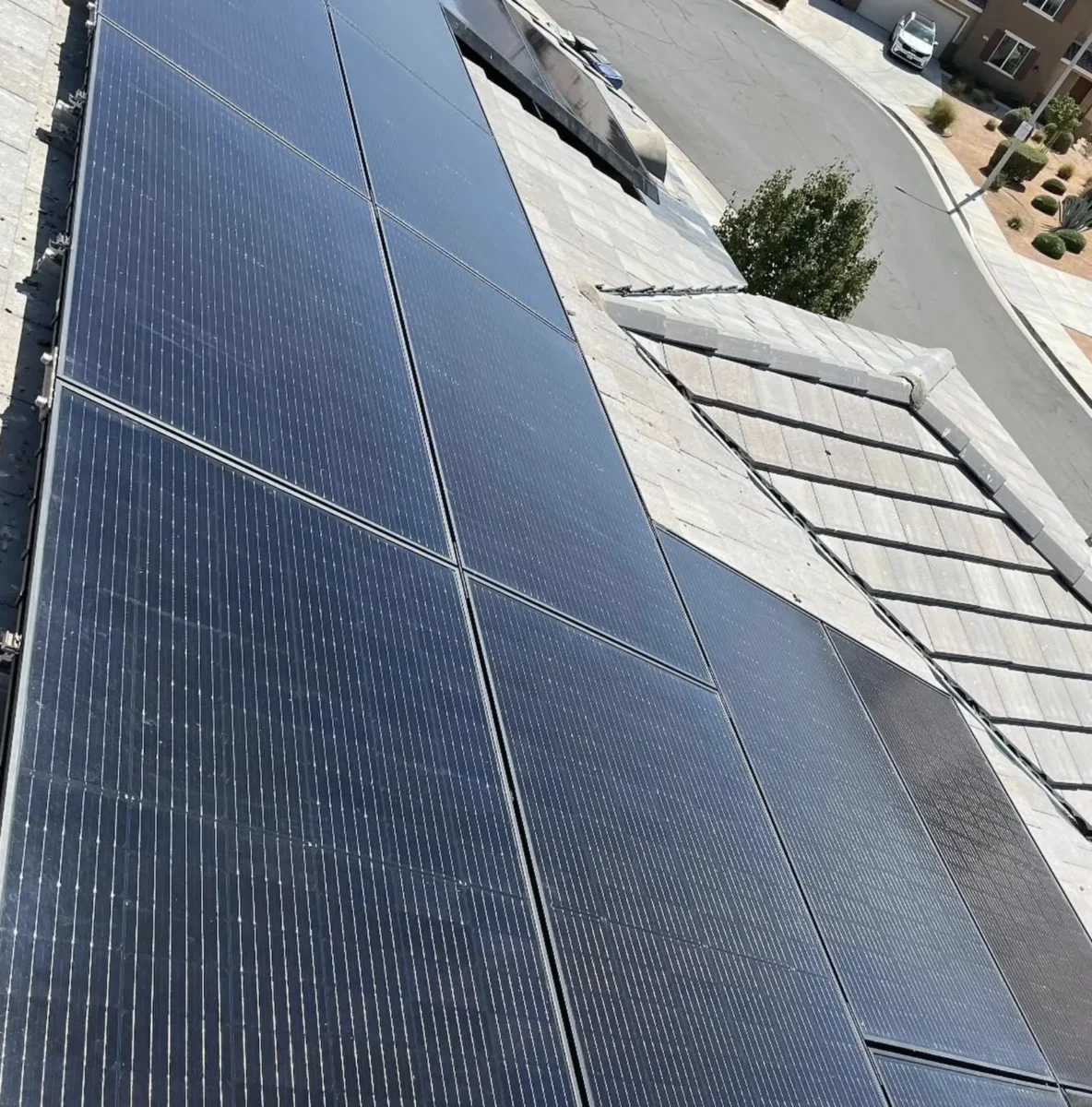
Here’s what we’ve learnt after cleaning thousands of rooftops:
- Use deionised water for streak-free rinsing
- Wash in early morning or late afternoon — avoid hot panels
- Stick with a telescopic brush and low-pressure setup
- Use a mild detergent — no harsh chemicals like bleach, which can damage seals and void warranties
- Rinse thoroughly to avoid soapy water drying into residue
And above all, clean your panels every 6 to 12 months, or more often in dusty, salty, or high-pollen environments. That’s the only way to keep your solar panel washing effective and your electricity generation steady.
Should You Clean After Rain?
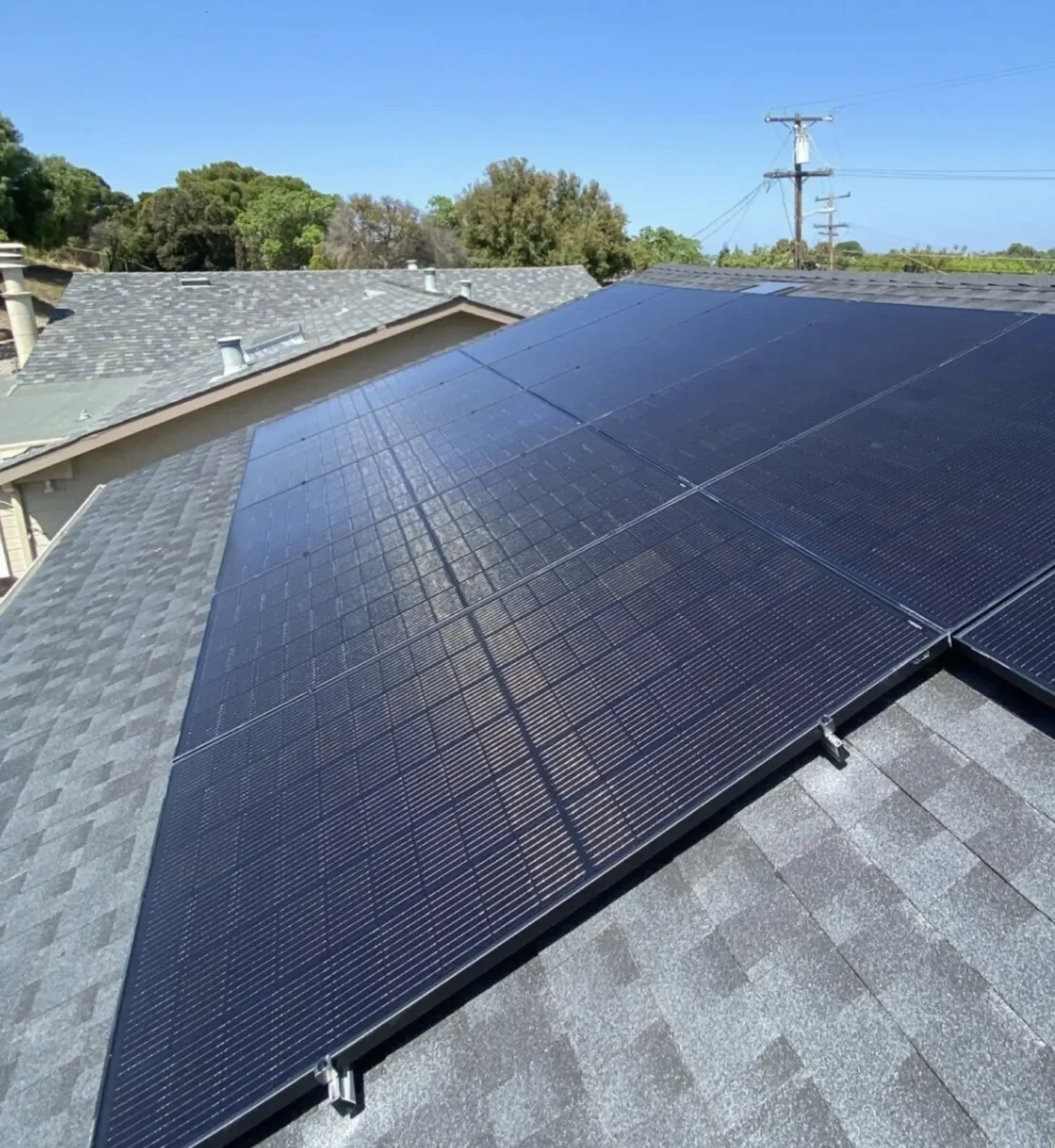
Here’s a trick we swear by: clean after rain, not before.
Why?
- Rain softens dry grime — making for easier brushing
- Panels are already wet, so you use less water
- You’ll avoid watermarks and get a better result
- You can spot areas where grime has pooled or built up
Treat rain as your pre-rinse cycle, and then give the panels a proper clean for optimal performance and clean energy output.
Dirty Panels Cost You Money — Here’s the Math
Let’s say your solar energy system drops just 10 percent in output due to grime. That could mean:
- Hundreds of lost energy savings per year
- An average output reduction of dozens of kWh per month
- Increased reliance on backup energy sources or grid power
- Less financial sense over the period of time you’ve invested in the system
Keeping your solar panels clean isn’t just a maintenance task — it’s good economic sense.
The Cost of Ignoring Dirty Panels
Let your panels go long enough and you’ll see:
- Drops in solar output up to 30 percent
- Overworked solar batteries from lower charge input
- A shorter lifespan from improper cleaning
- Physical damage from moss growth or etching
- Accidental damage from amateur DIY cleaning efforts
- Voided warranties from high-pressure water jets and incorrect methods
You’ll also feel it in your electricity bills, especially if your monitoring systems (like Solar Analytics) show a steady decline despite clear skies.
DIY or Call a Pro?
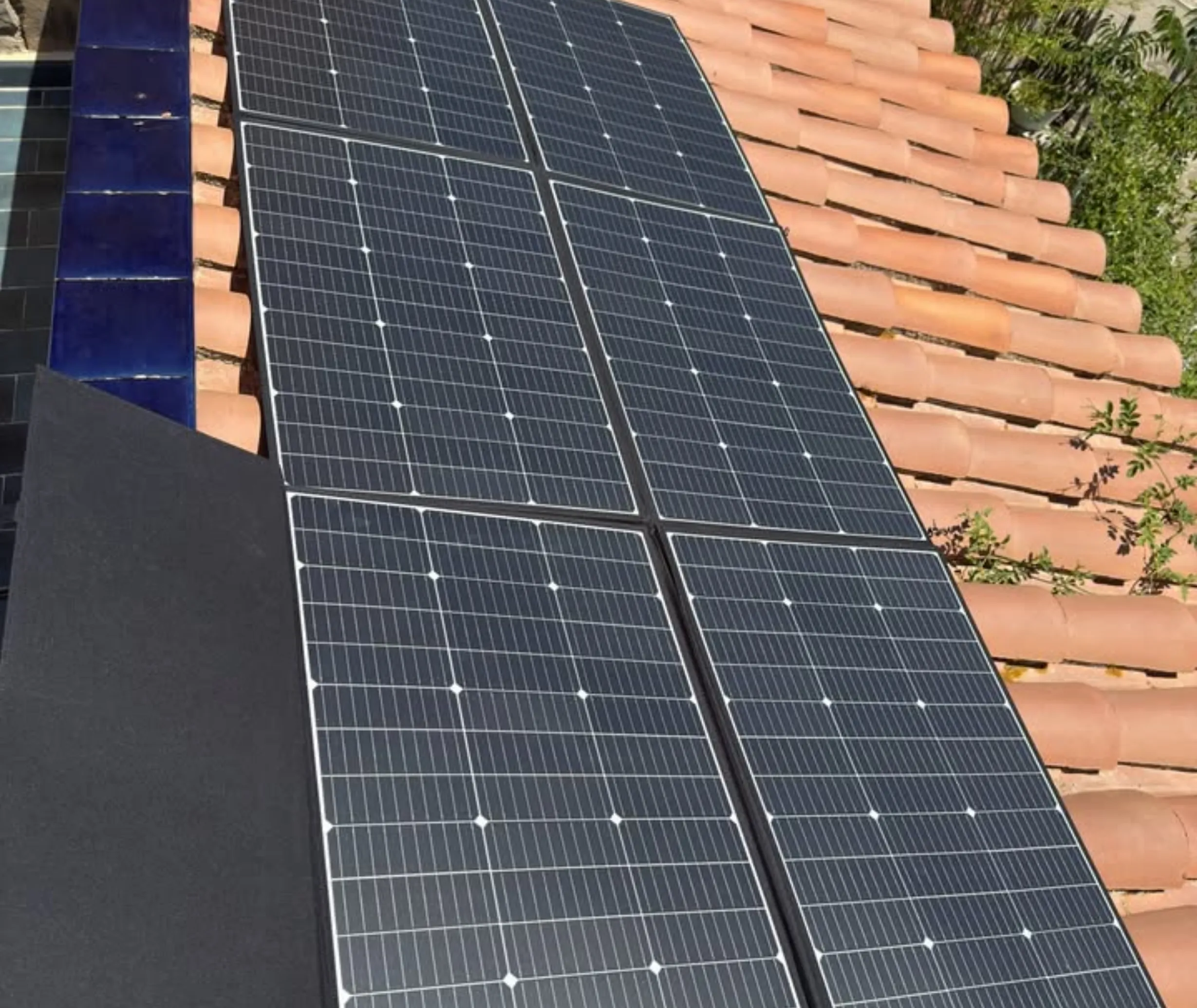
We get it — you want to save on the cost of cleaning services. But professional solar panel cleaners have the tools, training, and insurance to avoid physical inspection turning into a trip to the emergency room.
Our advice:
- Use battery storage and monitoring systems to track output
- Schedule an annual inspection during a quiet season
- Invest in a professional solar panel cleaning service at least once a year
- Avoid chemical cleaners and hot water on panels
- Keep your panels in optimal condition for maximum efficiency
For tough jobs or roof setups that are hard to access, call the Window Cleaning Melbourne Crew — we know how to handle panels safely and without damage.
FAQ
Can natural rain clean solar panels effectively?
Not really. Rain doesn’t remove hard-to-remove stains, bird droppings, or built-up grime. It helps loosen dirt but doesn’t replace proper cleaning.
How often should solar panels be cleaned?
Regular inspections suggest every 6–12 months, or more if your panels are under trees, near the coast, or in dusty areas.
Is DIY cleaning a good idea for solar panel owners?
Only if you know what you’re doing, avoid dishwashing detergent, high-pressure water, and getting on the roof without safety gear.
Do clean panels really make that much of a difference?
Absolutely. Clean panels produce more solar energy, reduce strain on your system, and improve the average increase in annual savings.
Can poor maintenance void warranties?
Yes. Improper cleaning, including using the wrong products or causing accidental damage, can void your manufacturer’s warranty.