Darwin is the fastest-growing city of the Northern Territory and a city full of history and culture. Situated on Australia’s northern coastline, Darwin offers the perfect blend of its colonial past, Indigenous heritage, and significant war history. Darwin tours provide a fantastic way to explore these aspects in depth, taking you through the city’s rich historical development, its heritage sites, and iconic landmarks that define its unique character. In this article, we will cover the historical evolution of Darwin city and highlight the key sites that shape its identity.
Indigenous Heritage: The Custodians
The Larrakia People

The Larrakia were the custodians of the Darwin region prior to European settlement. This is because of the deeply held beliefs cherished through their culture, practice, tongue and folklore concerning their motherland. For hundreds of years, the Larrakia have been controlling the surrounding environment, and their way of life has always integrated itself into the animal–agricultural, urban environment. The connection of the Larrakia to the natural and cultural landscapes is found in some of these places, such as Mindil Beach. The promotion of the cultural heritage of the Larrakia people is facilitated through various cultural and educational activities undertaken by local associations.
Native Art and Culture
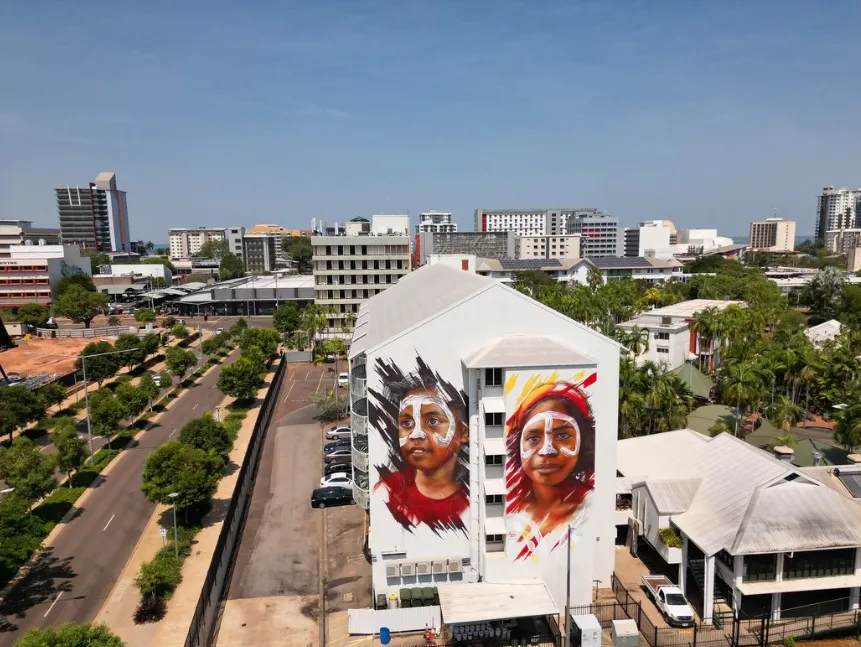
Darwin is recognized as a centre of cosmopolitanism where most forms of Indigenous art and culture can be found. There are a number of such galleries and cultural centres in the city that promote the traditional and modern Aboriginal and Torres Strait Islander art, providing insights into the past of the region-based art. This is the case with the Museum and Art Gallery of the Northern Territory, which presents a different portfolio of artworks and items of culture. Furthermore, the Darwin Aboriginal Art Fair enables Indigenous artists to engage more with the community and demonstrate the importance of their work. Such cultural revival is not exclusively infused with the appreciation of the Indigenous culture but is, in fact, a flourishing appraisal of Aboriginal arts in modern-day settings.
European Exploration and Settlement
The Establishment of the City of Darwin

It wasn’t until 1869 that the City of Darwin came into existence, named after the great son of nature, Chares Darwin. In fact, the city’s formative periods were those that focused on achieving a successful settlement in a new and very often difficult place. The establishment of Darwin marked the beginning of another important phase in the history of the Northern Territory, with the city playing the role of an important commercial port and administrative centre. As was significant in the growth of the city, the creation of the Docker River merchant port to the north Australian territory had to do. Over the years, it inhabited the town of Darwin evolved from a mere township to that of a cosmopolitan city, with its historical edifices and attractive sites existing as evidence of the treasuries journey through space and time.
The Contribution of Darwin in World War II
The Bombing of Darwin
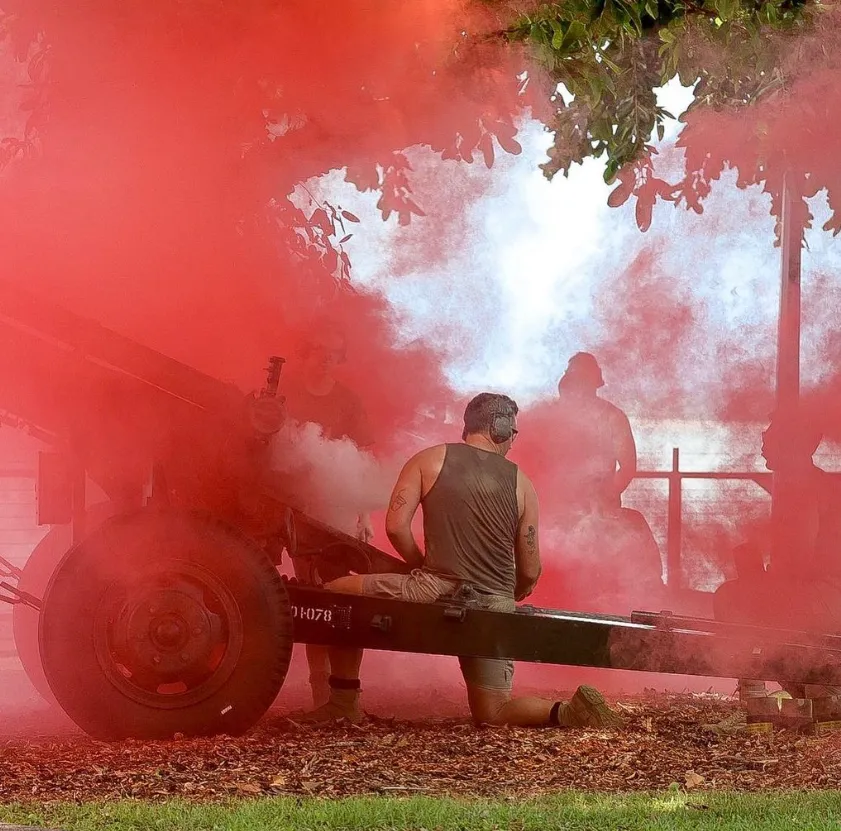
During World War II, Darwin faced a series of devastating air raids by Japanese forces. The bombings, which began in February 1942, were part of a broader campaign of attacks on northern Australia. These raids had a significant impact on the city, causing widespread destruction and loss of life. The Japanese bombing raids are remembered as a crucial chapter in Darwin’s wartime history, highlighting the city’s strategic importance in the Pacific theater. The impact of these raids is commemorated through various historical sites and museums in Darwin, including the Darwin Military Museum and the East Point Military Precinct.
War Heritage Sites
There are a number of places in Darwin that commemorate the city’s history as a War town. The Darwin Military Museum is an interesting place that is situated at East Point and has a fair amount of information and exhibits about the military and other strategies employed during the Second World War including the air bombings by the Japanese. There are historical places situated in the East Point Military Precinct, which is an important site as well. These sites put into perspective what could have been the difficulties and struggles of aided Darwin and their people during one of the most critical crises in the eras of a serious war.
Postwar Development and Modern Darwin
The Post-World War II Recovery
Following World War II, Darwin underwent significant reconstruction and development. The post-war period saw the rebuilding of infrastructure and the growth of industries that played a crucial role in shaping the modern city. The city’s recovery and development during this time laid the foundation for its current status as a thriving metropolis. Key projects included the reconstruction of damaged buildings and the expansion of the central business district, which now features a mix of historic and modern architecture. The post-war era also marked the beginning of Darwin’s transformation into a satellite city, with planned urban expansion and increased connectivity to other parts of the Northern Territory.
Cultural Revolution in Darwin
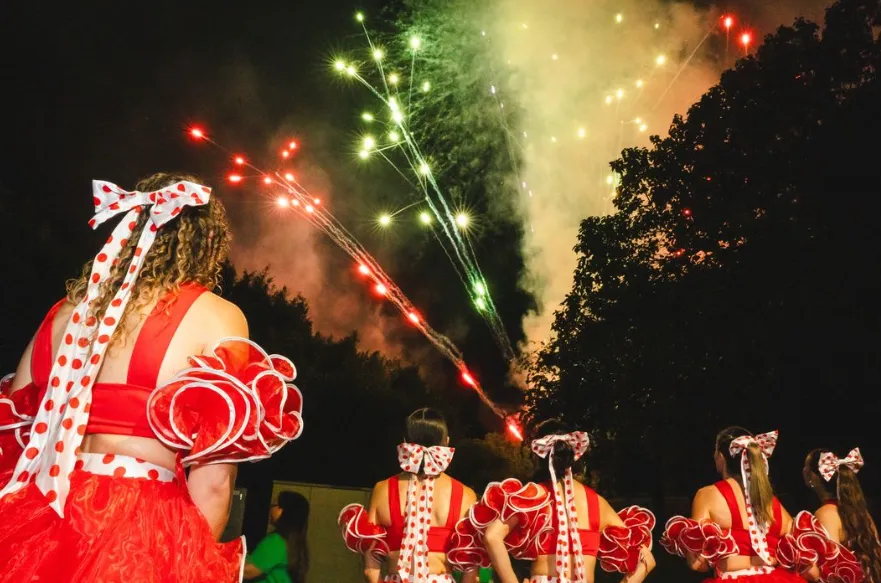
In the last few decades, however, the Darwin has undergone a cultural revolution where a number of festivals, museums and the installation of public art have been used to showcase the different ethnicities that the city has. For instance, the endeavors of the city are evidenced by annual festivities like the Darwin’s ‘Darwin Festival’ where performers and artists from the motherland and other countries give displays. Furthermore, the establishment of cultural corridors and historical pathways like the Darwin Heritage Trail enables people to appreciate the history of the city. This cultural renaissance is not just an indelible aspect of Darwin’s history but also shows the characteristics of the city in the present day.
Prominent Historical Sites in Darwin
Government House
Etched on the pages of history and of great significance is the ‘Government House’, which is also situated in the heart of Darwin. It was constructed during the last decade of the 19th century and, over the years, has been home to some Northern Territories governors. The structure is characterized by high stone buildings and a colonial-style structure, which is in accordance with the status of the heads of territory and their relation to the opening of European settlement. Giving functions and events is the general nature of the Government House today in connection to the administrative history of Darwin City.
The Darwin Botanic Gardens

The Darwin Botanic Gardens are a reminder of the chronicle of horticulture in that city. The gardens, which came into being towards the end of the 19th century, also house the importation of tropical and subtropical plant species that do well in Darwin’s climatic conditions. The botanic gardens are an attractive site for the residents of the region and the tourists, as it provides a quiet place away from busy lives and provides an insight into the natural beauty of the area. In addition, the gardens assist in the ex-situ conservation and education of plant resources, enhancing Darwin’s resolve towards the protection of its flora.
Old Darwin Gaol
The Old Darwin Gaol is an interesting place to visit and learn more about Darwin’s penal history. The gaol was built in the early 20th century but was used as a place for the incarceration of criminals during the developmental boom period of Darwin. The Old Darwin Gaol preserved cells and displays of the now abandoned, institutionalized law and order practice in early Darwin, such as destitute individuals’ gum trees, reveal what those who deployed these measures contended with. It is a site rich in historical documentation of Darwin and is now a tourist destination where visitors come to learn about the city’s penal history and observe part of the structure’s features.
Conclusion
The history of Darwin is indeed long and complex, still imbued with its Aboriginal roots, colonialism, war, and a post-war boom. Points of interest or heritage offer the past of the city and what formed it in the processes of development. From the cultural traditions of the Larrakia people to the Second World War and, finally, the substance of the city’s culture, indeed, the history of Darwin is full of interesting events. And even though the towns are changing further in their development, the sites of history do not cease to remind imprinted progression of the city in time.
FAQs
What are the most important Indigenous heritage sites in the city of Darwin?
Among the most significant sites, it is worth noting the Darwin Aboriginal Art Fair as well as the Museum and Art Gallery of the Northern Territory, conveying Indigenous arts and cultures.
How can I explore the history of Darwin City?
You can explore history, culture and art by going on one of Darwin tour, which shows all parts of its past.
Why is Government House considered to have historical value?
Government House is important primarily because of its colonial-style architecture and because of its present use as the residence of the governors of the Northern Territory.
When was Darwin founded?
Darwin was formally established in 1869 and was later on named after the marvellous naturalist Charles Darwin because his studies on the wildlife of the area aided in better comprehension of its flora and fauna.
What can visitors learn at the Darwin Military Museum?
The Darwin Military Museum provides information about other aspects of the city during World War II, such as Japanese air raids and the broader context of Australia’s war in the Pacific.